Breathe Easy: How I Transformed My Home to Boost My Health
We all want to feel our best—but what if the key isn’t in your diet or gym routine, but in the air you breathe and the space you live in? I didn’t realize how much my environment was dragging me down until I made small, science-backed changes at home. From better sleep to clearer focus, the shift was real. This is how fixing my surroundings became my most powerful health move. It wasn’t about expensive supplements or drastic lifestyle overhauls. Instead, it was about paying attention to the quiet, overlooked elements of daily life—what I was breathing, how I was sleeping, and how my home either supported or sabotaged my well-being. What began as a search for more energy turned into a complete rethinking of what true health really means.
The Hidden Cost of a Toxic Environment
Most people assume their home is a safe haven. But the truth is, indoor spaces can harbor invisible threats that quietly affect health. Common pollutants such as volatile organic compounds (VOCs), mold spores, dust mites, and chemical residues from everyday cleaning products accumulate over time. These substances often go unnoticed, yet they contribute to symptoms like persistent fatigue, brain fog, headaches, and frequent allergies. For years, I blamed stress or aging for my constant tiredness. I exercised regularly and ate balanced meals, yet I still felt drained by mid-afternoon. It wasn’t until I started reading about environmental health that I considered my surroundings might be the culprit.
The average person spends about 90% of their time indoors, according to the U.S. Environmental Protection Agency (EPA). That means we’re continuously exposed to whatever pollutants are present in our homes—often at higher concentrations than outdoors. Carpets, pressed-wood furniture, and even air fresheners release VOCs, which are gases emitted by certain solids or liquids. These include formaldehyde, benzene, and toluene, all of which have been linked to respiratory issues and long-term health concerns. Cleaning supplies often contain ammonia and bleach, which can irritate the lungs and worsen asthma symptoms. Even seemingly harmless items like scented candles or synthetic laundry detergents can introduce harmful particles into the air.
Why do we overlook these factors? Because public health messaging tends to emphasize diet and physical activity as the pillars of wellness. While those are undeniably important, they don’t tell the whole story. Environmental triggers are less visible and harder to measure, so they’re often dismissed. Yet, research shows that indoor air pollution can be two to five times higher than outdoor levels. When I finally connected my fatigue and poor sleep to my home environment, it was a turning point. I realized that no amount of kale or morning yoga could fully compensate for breathing in contaminated air every night. My journey toward better health began not with a new workout plan, but with a simple question: What if my house was making me sick?
Air Quality: Your Invisible Health Partner
Indoor air quality plays a crucial role in how we feel each day. Unlike outdoor air, which circulates naturally, indoor air can become stagnant and concentrated with pollutants. Dust mites thrive in bedding and upholstered furniture, releasing allergens that trigger sneezing and congestion. Pet dander, even in homes without pets, can linger in carpets and curtains. Mold spores, often invisible to the eye, grow in damp areas like bathrooms and basements and can lead to respiratory problems over time. Then there are VOCs—released from paints, adhesives, new furniture, and even printers—whose effects can range from mild irritation to long-term neurological impacts.
Scientific studies have demonstrated clear links between clean indoor air and improved cognitive function. A Harvard School of Public Health study found that people working in environments with low levels of VOCs and high ventilation rates scored significantly higher on decision-making and problem-solving tasks. Mood is also affected: poor air quality has been associated with increased anxiety and lower mental clarity. For someone juggling family, work, and personal goals, these subtle deficits can add up quickly. Breathing clean air isn’t just about avoiding illness—it’s about functioning at your best.
The good news is that improving air quality doesn’t require a complete home renovation. One of the most effective steps is using an air purifier with a true HEPA filter. HEPA (High-Efficiency Particulate Air) filters can capture 99.97% of particles as small as 0.3 microns, including pollen, mold spores, and fine dust. Placing units in high-traffic areas like the living room and bedroom makes a noticeable difference. Equally important is ventilation. Opening windows regularly, even for 10–15 minutes a day, allows fresh air to circulate and dilutes indoor pollutants. Using exhaust fans in kitchens and bathrooms helps remove moisture and cooking fumes.
Another simple change is eliminating synthetic fragrances. Scented candles, plug-in air fresheners, and heavily perfumed cleaning products often contain phthalates and other chemicals that degrade air quality. Switching to unscented or naturally scented alternatives—like essential oils used sparingly in diffusers—can reduce chemical exposure. Some houseplants, such as spider plants, peace lilies, and snake plants, have been shown to help filter certain toxins from the air. While they shouldn’t replace mechanical filtration, they can complement it and add a calming presence to a room. NASA’s Clean Air Study suggested that certain plants may absorb benzene and formaldehyde, though their overall impact in a typical home setting is modest. Still, the psychological benefit of greenery—reduced stress and improved mood—is well-documented.
Lighting Matters More Than You Think
Light is more than just visibility—it’s a biological signal. The human body relies on natural light cycles to regulate circadian rhythms, the internal clock that governs sleep, hormone release, and energy levels. Artificial lighting, especially blue-rich light from LED bulbs and screens, can disrupt this system. Exposure to bright, cool-toned light in the evening suppresses melatonin, the hormone that prepares the body for sleep. This can lead to difficulty falling asleep, restless nights, and grogginess the next day.
During the day, insufficient natural light can cause low energy and mood dips. Sunlight helps regulate serotonin, a neurotransmitter linked to feelings of well-being. Without adequate daylight exposure, especially in winter months, some people experience seasonal affective disorder (SAD) or general lethargy. Simply spending more time near windows during daylight hours can help reset the body’s internal clock. If natural light is limited, light therapy boxes that mimic sunlight can be beneficial, particularly in the morning.
One of the easiest ways to support healthy circadian rhythms is adjusting home lighting. Swapping out cool-white LED bulbs for warm-white ones (2700K or lower) in bedrooms and living areas creates a more relaxing atmosphere in the evening. Using dimmer switches allows for gradual light reduction as bedtime approaches, signaling to the brain that it’s time to wind down. Smart lighting systems can be programmed to change color temperature throughout the day—bright and cool in the morning, warmer in the evening—aligning with natural daylight patterns.
Additionally, minimizing screen time before bed is essential. The blue light emitted by phones, tablets, and TVs interferes with melatonin production just as much as overhead lighting. Using night mode settings or wearing blue-light-blocking glasses in the evening can reduce this effect. Creating a screen-free zone in the bedroom reinforces the association between the space and sleep. Over time, these lighting adjustments can lead to deeper, more restorative sleep and increased daytime alertness.
Decluttering for Mental Clarity and Reduced Stress
Clutter isn’t just a cleaning issue—it’s a mental health issue. Numerous studies have shown a strong connection between disorganized spaces and increased stress, anxiety, and difficulty concentrating. A study published in the journal Personality and Social Psychology Bulletin found that women who described their homes as cluttered had higher levels of cortisol, the stress hormone, especially in the afternoon. Visual chaos competes for attention, making it harder to focus and relax. When countertops are covered, drawers are overflowing, and mail piles up, the mind subconsciously registers disorder, leading to mental fatigue.
Physical clutter can also symbolize unfinished tasks or emotional burdens. Holding onto items “just in case” or out of guilt creates psychological weight. The act of decluttering, therefore, is not just about tidying up—it’s about reclaiming control and creating space for calm. A well-organized environment supports mental clarity and emotional balance. When everything has a place, decisions become easier, and the sense of being overwhelmed diminishes.
The key to successful decluttering is starting small. Tackling an entire house at once can feel paralyzing. Instead, choosing one drawer, shelf, or corner at a time makes the process manageable. The KonMari method, popularized by Marie Kondo, encourages keeping only items that “spark joy,” but perfectionism shouldn’t be the goal. For many, a more practical approach is to sort items into categories: keep, donate, discard. Setting a timer for 15 minutes a day can build momentum without burnout.
Letting go of excess doesn’t mean living in a sterile, minimalist space. It means designing a home that supports your well-being. This might include storing seasonal items out of sight, digitizing paperwork, or using storage bins with labels. The goal is to reduce visual noise and make daily routines smoother. Over time, the habit of maintaining order becomes second nature, and the mental benefits become evident in improved focus and reduced anxiety.
Creating a Sleep Sanctuary
Sleep is the foundation of health, yet many people sabotage it without realizing it. The bedroom environment plays a critical role in sleep quality. Factors like temperature, light, noise, and even the materials of bedding can influence how deeply and restfully you sleep. The ideal sleep environment is cool, dark, and quiet. Research suggests that a room temperature between 60 and 67 degrees Fahrenheit (15–19°C) promotes optimal sleep by supporting the body’s natural drop in core temperature.
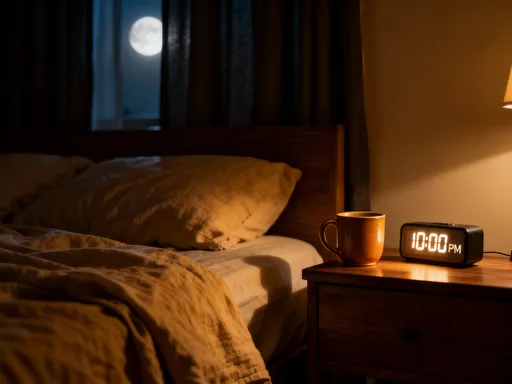
Light exposure is one of the biggest disruptors of sleep. Even small amounts of light—from streetlights, digital clocks, or phone chargers—can interfere with melatonin production. Using blackout curtains or a sleep mask can create complete darkness, helping the brain recognize it’s time to rest. Removing electronics from the bedroom eliminates both light and the temptation to check messages or scroll through social media. If an alarm is needed, choosing one with a red or amber display is less disruptive than a bright blue or white screen.
Noise is another factor. While some people sleep through background sounds, others are sensitive to even minor disturbances. Using a white noise machine or a fan can mask sudden sounds and create a consistent auditory environment. For deeper peace, consider soundproofing measures like heavy curtains or rugs that absorb sound.
Bedding materials also matter. Synthetic fabrics like polyester can trap heat and moisture, leading to discomfort. Natural fibers such as cotton, linen, or bamboo are breathable and help regulate body temperature. Choosing a supportive mattress and pillows suited to your sleeping position enhances comfort and reduces aches. Pairing an optimized sleep environment with a consistent bedtime routine—such as reading, gentle stretching, or drinking herbal tea—reinforces the body’s sleep-wake cycle. When the bedroom becomes a true sanctuary, sleep improves naturally.
Non-Toxic Living: Safer Choices in Daily Products
Many household products contain chemicals that pose long-term health risks. Personal care items like shampoos, lotions, and deodorants often include parabens, phthalates, and synthetic fragrances—substances linked to hormone disruption and skin irritation. Laundry detergents and fabric softeners release volatile compounds with each wash and dry cycle, which then cling to clothing and are absorbed through the skin. Cleaning sprays may contain ammonia, chlorine, or quaternary ammonium compounds, all of which can irritate the respiratory system.
Understanding product labels is essential. Terms like “natural,” “green,” or “eco-friendly” are not regulated and can be misleading. A product labeled “natural” may still contain synthetic chemicals. Instead, look for certifications like EPA Safer Choice, EWG Verified, or USDA Organic, which indicate third-party testing and stricter ingredient standards. Reading ingredient lists carefully helps identify red flags like “fragrance” (which can hide dozens of undisclosed chemicals) or sodium lauryl sulfate (a common irritant).
Switching to safer alternatives doesn’t have to be expensive or inconvenient. Simple, effective solutions include using vinegar and baking soda for cleaning. White vinegar cuts through grease and disinfects surfaces, while baking soda acts as a gentle abrasive and odor neutralizer. Castile soap, made from plant oils, can be diluted for everything from dishwashing to mopping. For laundry, choosing fragrance-free, dye-free detergents reduces chemical exposure. Wool dryer balls can replace fabric softeners and reduce drying time.
For personal care, opting for products with shorter ingredient lists and recognizable components—like coconut oil, shea butter, or aloe vera—can minimize risk. Making gradual swaps as old products run out keeps the transition affordable. Over time, these changes reduce the body’s toxic burden and support long-term wellness. The goal isn’t perfection, but progress—choosing safer options whenever possible.
Building Long-Term Healthy Habits Through Environment Design
Behavior is shaped by environment. When healthy choices are made easy and convenient, they become habits. This principle, known as environment design, leverages the idea that small changes in your surroundings can lead to automatic, positive behaviors. For example, placing a pitcher of water on the kitchen table encourages hydration. Keeping a bowl of fresh fruit on the counter makes healthy snacking more likely. Designating a charging station outside the bedroom reduces screen time before bed.
The ripple effect is powerful. One change often leads to another. After improving air quality, I became more aware of other environmental factors. I started reading labels, then decluttered my kitchen, then optimized my sleep space. Each step built on the last, creating a cumulative impact. The home became less of a passive backdrop and more of an active participant in my health journey.
Designing for wellness also means reducing friction for good habits and increasing it for unhealthy ones. If you want to read more, leave a book on your pillow. If you want to move more, place walking shoes by the door. Creating designated zones—like a quiet corner for meditation or a screen-free dining area—supports intentional living. These design choices don’t require willpower; they work quietly in the background, guiding behavior over time.
Viewing your home as a wellness tool transforms how you interact with it. It’s no longer just a place to eat, sleep, and clean. It becomes a space that nurtures, protects, and empowers. When your environment supports your goals, healthy living feels less like a struggle and more like a natural flow.
Conclusion: Your Home as a Health Ally
True wellness isn’t achieved through isolated efforts—it’s built through daily habits and the environments that shape them. The changes I made weren’t dramatic, but they were consistent. Better air, calmer lighting, less clutter, safer products, and a sleep-friendly bedroom added up to a profound shift in how I felt every day. Energy levels rose. Focus sharpened. Mornings became easier. The most surprising part? I didn’t have to force any of it. Once my environment supported me, healthy choices followed naturally.
Your home has the power to either drain or renew you. By paying attention to air quality, light, organization, and the products you bring inside, you create a foundation for lasting health. These changes aren’t about achieving perfection—they’re about making small, sustainable improvements that compound over time. You don’t need to overhaul everything at once. Start with one room, one habit, one swap. Let that success build confidence for the next step.
Wellness begins where life happens—where you rest, recharge, and raise your family. When you treat your home as a partner in health, you unlock a quieter, deeper form of vitality. It’s not just about living longer. It’s about living better—breathing easier, sleeping deeper, and feeling truly at home in your own space.