How I Turned Back the Clock Without Surgery — Just Movement
What if aging wasn’t about hiding wrinkles, but reclaiming how you feel? I used to dread stairs, stiffen every morning, and feel like my energy was slipping. Then I committed to one simple thing: consistent movement. Not extreme workouts — just smart, sustainable motion. Over years, the changes shocked me. More energy, better sleep, even compliments on my glow. This isn’t about looking younger. It’s about living stronger, longer. And it starts with what your body was built to do.
The Wake-Up Call: When My Body Started Whispering (Then Shouting)
For years, I dismissed the small signs. Mornings began with a stiff back. Carrying groceries left me winded. I needed help standing up from the couch after watching a movie. I told myself it was normal — just part of getting older. But the turning point came during a family trip. I reached for my suitcase at the airport, and my knees buckled. I didn’t fall, but I had to lean against the wall, heart racing, breath shallow. That moment scared me. I was only in my early fifties, yet I felt decades older.
A visit to my doctor confirmed what I feared: nothing was “wrong” — it was just aging. The explanation offered little comfort. I wasn’t sick, but I wasn’t thriving either. I realized I had been treating my body like a machine I could ignore until it broke down. But what if aging didn’t have to mean decline? What if, instead, it could mean refinement — a chance to grow stronger, more aware, more capable? That question changed everything.
I began to see my symptoms not as inevitable, but as signals. Stiffness was a sign of inactivity. Fatigue hinted at poor circulation and muscle loss. The effort it took to climb stairs reflected weakening joints and declining cardiovascular health. These weren’t just inconveniences; they were invitations to respond. And the most powerful response, I discovered, wasn’t medication or surgery — it was movement. Not punishment, not punishment disguised as fitness, but intentional, joyful motion that honored what my body could do.
Why Motion Is the Most Underrated Anti-Aging Tool
We live in a world obsessed with anti-aging solutions — creams, supplements, procedures. Yet one of the most effective tools is free, available to everyone, and rarely marketed: movement. Science now confirms that physical activity doesn’t just improve how we look or feel — it changes how we age at the biological level. Inactivity, on the other hand, accelerates aging in ways most people never consider.
Consider sarcopenia — the gradual loss of muscle mass that begins as early as age 30. Without intervention, adults lose 3% to 5% of their muscle mass each decade. This isn’t just about strength; it affects metabolism, balance, and even immune function. Less muscle means fewer calories burned at rest, increasing the risk of weight gain and metabolic disorders. But resistance training has been shown to slow, and even reverse, this decline. Studies published in the Journal of the American Medical Association show that older adults who engage in regular strength training can increase muscle mass and improve functional mobility within months.
Then there’s the cellular impact. Telomeres — the protective caps at the ends of our chromosomes — shorten as we age. Shorter telomeres are linked to a higher risk of chronic disease and earlier mortality. But research from the University of California, San Francisco found that individuals with high levels of physical activity have significantly longer telomeres than their sedentary peers — equivalent to being up to nine years younger biologically. Exercise also enhances mitochondrial function, the energy factories within our cells. As mitochondria become more efficient, so does our stamina, recovery, and overall vitality.
Inflammation is another silent driver of aging. Chronic low-grade inflammation is associated with heart disease, diabetes, and cognitive decline. Regular movement, particularly aerobic exercise, reduces inflammatory markers like C-reactive protein. A study in Arteriosclerosis, Thrombosis, and Vascular Biology found that just 30 minutes of moderate exercise five times a week lowered inflammation and improved vascular health in middle-aged adults. These aren’t minor effects — they represent a fundamental shift in how our bodies age.
The Long Game: Why Quick Fixes Fail (And What Lasts)
Like many women in midlife, I’ve tried my share of quick fixes. Detox teas, 21-day challenges, high-intensity boot camps — they promised transformation in weeks. And for a short time, I felt different. Lighter, maybe. More energized — temporarily. But the results never lasted. Within months, I was back to where I started, often worse off than before. The cycle of motivation, effort, burnout, and relapse left me frustrated and defeated.
What I learned is that anti-aging isn’t a sprint — it’s a lifelong journey. Lasting change doesn’t come from dramatic overhauls, but from consistent, repeatable habits. The body responds to frequency, not intensity. A 10-minute walk every day does more for longevity than a two-hour gym session once a month. This doesn’t mean intensity has no place — but it must be balanced with sustainability.
Consider the difference between motivation and habit. Motivation fades. It depends on how you feel, the weather, your schedule, your mood. But habits operate independently of emotion. They become automatic, like brushing your teeth or locking the door at night. When movement becomes a habit, it no longer requires willpower. It becomes part of your rhythm, your routine, your identity.
The real anti-aging secret isn’t a secret at all — it’s consistency. It’s showing up, even when you’re tired. It’s doing five squats while waiting for the kettle to boil. It’s taking the stairs instead of the elevator, not because it’s hard, but because it’s easy to do every day. These small actions, repeated over years, create compound benefits. They build strength, improve circulation, enhance mood, and protect against disease. And unlike fad diets or extreme workouts, they’re sustainable at any age.
My Movement Formula: The 4 Types That Actually Work
After years of trial and error, I identified four types of movement that deliver real, lasting benefits. Each addresses a different aspect of aging, and together, they form a complete foundation for lifelong vitality. The best part? None require a gym, expensive equipment, or hours of time.
First, strength training. This is non-negotiable. As we age, muscle loss accelerates, leading to weakness, fatigue, and increased fall risk. Strength training combats sarcopenia by stimulating muscle growth and preserving bone density. I do bodyweight exercises three times a week — squats, lunges, push-ups against the wall, and planks. When I want more resistance, I use resistance bands or light dumbbells. Just 15 minutes is enough to make a difference. The key is progressive overload — gradually increasing difficulty to keep muscles challenged.
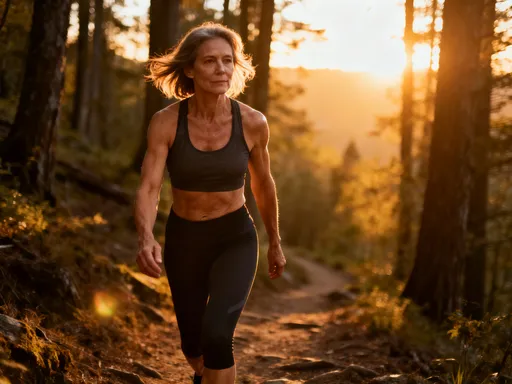
Second, aerobic exercise. This supports heart health, lung capacity, and circulation. It also boosts mood by increasing endorphins and reducing stress hormones. I aim for 30 minutes of moderate activity most days — brisk walking, dancing in the kitchen, or cycling. I don’t need to be out of breath; I just need to feel warmer and slightly more breathless than usual. The American Heart Association recommends at least 150 minutes per week of moderate-intensity aerobic activity, and studies show it can reduce the risk of heart disease by up to 30%.
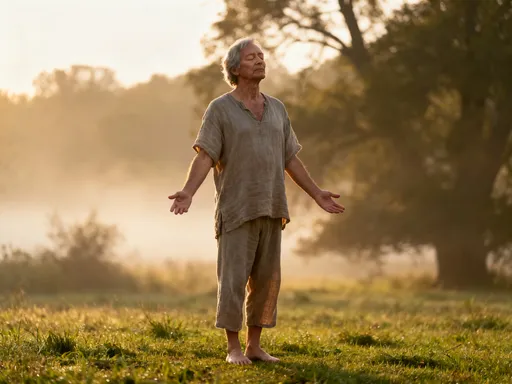
Third, flexibility work. Stiff joints and tight muscles limit mobility and increase injury risk. Stretching, yoga, or tai chi improves range of motion, reduces pain, and enhances posture. I spend 10 minutes each morning stretching — forward folds, shoulder rolls, gentle twists. It doesn’t have to be perfect. The goal is consistency, not flexibility. Over time, I’ve noticed I can bend farther, move more freely, and recover faster after activity.
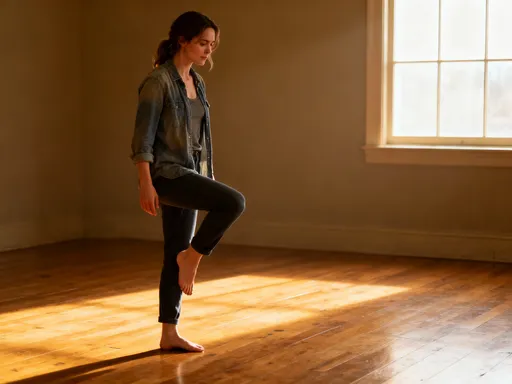
Fourth, balance drills. Falls are a leading cause of injury in older adults, but they’re largely preventable. Simple balance exercises — standing on one foot, heel-to-toe walking, or yoga poses like the tree pose — strengthen the stabilizing muscles and improve coordination. I practice these while brushing my teeth or waiting in line. They take seconds, but over time, they build confidence in movement and reduce fear of falling.
How I Built a Routine That Stuck (Without Willpower)
I used to believe that success required discipline — white-knuckling through workouts I hated, forcing myself to wake up at 5 a.m., punishing myself for missed days. But that approach never lasted. What changed was my mindset: I stopped trying to be disciplined and started designing my environment for success.
I began with habit stacking — linking new behaviors to existing ones. After I brush my teeth in the morning, I do five minutes of stretching. While I wait for dinner to cook, I do a few squats or wall push-ups. During commercial breaks, I march in place or do seated leg lifts. These micro-moments add up. Research from the European Journal of Social Psychology suggests it takes an average of 66 days for a behavior to become automatic — but the process is easier when the behavior is small and tied to a daily cue.
I also changed my environment. I keep resistance bands by the couch. My walking shoes are by the door. I removed barriers that made movement feel hard. I stopped waiting for the “perfect time” and accepted that five minutes now is better than 30 minutes later that never happens. I also started tracking progress — not with numbers on a scale, but with how I felt. I kept a simple journal noting energy levels, mood, and mobility. Seeing small improvements built momentum.
Motivation isn’t the foundation of lasting change — design is. When movement is easy, enjoyable, and integrated into daily life, it becomes sustainable. I no longer think of exercise as something I “should” do. It’s something I get to do — a gift to my future self.
Real Results After Years: What Changed (And What Didn’t)
After five years of consistent movement, the changes are undeniable — but not in the way I expected. I didn’t lose 50 pounds or achieve a magazine-cover body. What I gained was something more valuable: vitality. My energy is steadier throughout the day. I no longer need an afternoon nap. I can play with my grandchildren without getting winded. I travel without dreading long flights or steep hotel stairs.
Physically, I’ve lost stubborn belly fat, even though my diet hasn’t changed dramatically. My clothes fit better. My joints feel looser, especially in the mornings. I can bend down to tie my shoes without groaning. Blood work shows real improvements: lower CRP levels, indicating reduced inflammation; better insulin sensitivity, lowering my risk for type 2 diabetes; and improved lipid profiles.
But the most profound changes are emotional and psychological. I feel stronger — not just in body, but in spirit. There’s a quiet confidence that comes from knowing I can rely on myself. I’m less anxious, more present, and more grateful for what my body can do. I no longer see aging as an enemy to fight, but as a process to navigate with grace and strength.
Not everything changed. I still have days when I feel stiff or tired. Some aches linger. But now I know they’re not permanent — they’re signals to move, to stretch, to respond. The difference is that I have tools, not just complaints.
Starting Where You Are: No Youth or Fitness Required
If you’re reading this and thinking, “I’m too old,” “I’m too stiff,” or “I’ve never been athletic,” I want you to know: it doesn’t matter. The best time to start was years ago. The second-best time is now. You don’t need to run a marathon or lift heavy weights. You just need to begin — wherever you are.
If standing is hard, start with seated stretches. Lift your arms, roll your shoulders, point and flex your feet. If walking is difficult, begin with two minutes around the house, then add one minute each week. Use a chair for support during squats or balance exercises. Resistance bands are gentle on joints and can be used from a seated position. The goal isn’t perfection — it’s participation.
Many women avoid movement because they fear injury or feel self-conscious. But the risk of inactivity is far greater than the risk of moving. Even light activity improves circulation, reduces stiffness, and boosts mood. A study from the National Institutes of Health found that older adults who walked just six miles per week had a significantly lower risk of cognitive decline over time.
The most effective routine is the one you can stick with — not the one that looks impressive. It might be five minutes of stretching in the morning, a short walk after dinner, or a gentle yoga video twice a week. Start small. Celebrate every effort. Progress isn’t linear, but every step counts.
Movement as a Lifelong Promise to Yourself
Anti-aging isn’t about erasing time. It’s about moving well through it. I’ve learned that every step, stretch, and squat is an investment — not in vanity, but in vitality. The secret isn’t a pill or procedure. It’s motion, repeated over years. It’s the quiet commitment to show up for yourself, day after day, in ways that honor your body’s need to move.
My journey didn’t begin with a dramatic transformation. It began with a single decision: to listen to my body and respond with care. Movement became my medicine, my meditation, my daily act of self-respect. It didn’t turn back the clock — it helped me live fully within the time I have.
You don’t need special equipment, a gym membership, or a personal trainer. You just need the willingness to begin. Start where you are. Move how you can. Let consistency be your guide. Because the best anti-aging strategy isn’t about looking younger — it’s about feeling alive. And that’s a promise worth keeping.