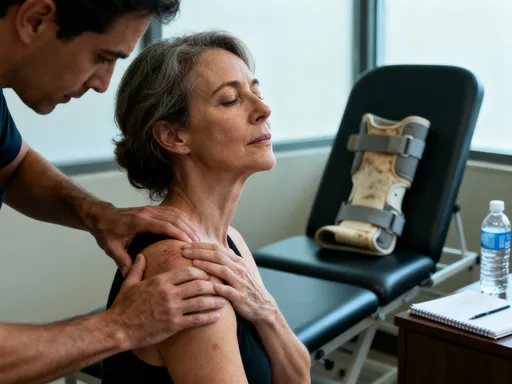
How Massage Therapy Quietly Transformed My Chronic Pain Management
Living with chronic pain used to dictate my daily life—until I discovered how effective massage therapy could be. It wasn’t a cure, but a powerful tool that helped me regain control. Through personal experience and professional guidance, I learned how consistent, targeted sessions eased tension, improved mobility, and supported overall well-being. This is what actually worked for me—and why it might be worth considering for long-term condition management. Chronic pain affects millions worldwide, often silently undermining quality of life. Unlike acute pain, which serves as a warning signal, chronic pain persists beyond healing time, becoming a condition in itself. For many, including myself, it meant adjusting expectations, canceling plans, and enduring a constant undercurrent of discomfort. Over-the-counter medications offered temporary relief, but long-term reliance raised concerns. I began searching for alternatives that respected the body’s limits while encouraging healing. That’s when I turned to massage therapy—not as a luxury, but as a structured, science-informed approach to pain management.
The Hidden Struggle: Living with Chronic Pain
Chronic pain is more than a physical sensation—it’s a persistent companion that reshapes daily existence. Conditions such as lower back pain, osteoarthritis, and fibromyalgia are among the most common sources of long-term discomfort. These are not rare diagnoses; they affect a significant portion of the adult population, particularly women over 30. The experience varies, but the impact is often similar: reduced mobility, difficulty sleeping, and a growing sense of isolation. Simple tasks like bending to tie shoelaces, standing in the kitchen, or playing with grandchildren can become daunting. The body feels unreliable, and fatigue becomes a constant shadow.
Beyond the physical limitations, chronic pain takes a quiet but profound emotional toll. Many individuals report increased anxiety, low mood, and frustration with their own bodies. The invisibility of the condition often means it goes unacknowledged by others, leading to misunderstandings and a lack of support. There’s also the psychological burden of feeling like a burden. Over time, this cycle can erode self-esteem and diminish joy in everyday life. The desire to find relief is not about seeking comfort alone—it’s about reclaiming autonomy and dignity.
For years, many rely on medication as the primary tool for managing symptoms. While pain relievers and anti-inflammatory drugs can be helpful, they are not without risks, especially when used regularly over time. Gastrointestinal issues, liver strain, and dependency are real concerns. As awareness grows about the limitations of pharmaceutical approaches, more people are exploring complementary strategies. The goal is not to reject medical treatment, but to build a broader, more sustainable plan. This shift has led many, including myself, to consider non-invasive, body-centered therapies that support natural healing processes.
What Is Massage Therapy? Beyond the Spa Day
When most people hear the word "massage," they picture a spa setting, scented candles, and relaxation. While relaxation can be a benefit, clinical massage therapy is a far more structured and purposeful practice. It is a form of manual therapy delivered by trained professionals who understand anatomy, physiology, and the specific needs of individuals with chronic conditions. Unlike a general wellness massage, therapeutic massage is tailored to address pain patterns, muscle imbalances, and connective tissue restrictions. It is not a one-size-fits-all experience, but a targeted intervention designed to support healing.
Several techniques are commonly used in pain management, each with distinct benefits. Swedish massage, often considered gentle, uses long, flowing strokes to improve circulation and ease surface tension. While soothing, it may not reach deeper layers of muscle. Deep tissue massage applies more pressure to access tightness in deeper muscle layers and fascia, making it useful for chronic stiffness and repetitive strain. Myofascial release focuses on the connective tissue that surrounds muscles, aiming to release restrictions that contribute to pain and limited movement. Trigger point therapy targets specific knots in muscles that refer pain to other areas, often providing noticeable relief after just a few sessions.
A key advantage of working with a licensed massage therapist is the ability to customize each session. A skilled practitioner will review your medical history, assess your posture and movement patterns, and adjust techniques based on your condition. For someone with arthritis, for example, the approach will differ from that used for a person recovering from a back injury. Pressure is modulated, positioning is adjusted, and communication during the session ensures safety and comfort. This personalized care is what sets therapeutic massage apart from casual or recreational massage experiences. It is not about enduring discomfort, but about working within the body’s tolerance to promote lasting change.
Why It Works: The Science Behind the Relief
The benefits of massage therapy are not merely anecdotal—they are supported by a growing body of scientific research. One of the most well-documented effects is improved circulation. When muscles are manipulated, blood flow increases, delivering more oxygen and nutrients to tissues while helping remove metabolic waste. This enhanced circulation supports healing and reduces inflammation, both of which play a role in chronic pain. Studies have shown that even a single session can lead to measurable changes in blood flow and muscle oxygenation.
Another critical mechanism is the reduction of muscle tension. Chronic pain often leads to a cycle of guarding—where the body tenses up in response to discomfort, which in turn creates more pain. Massage helps break this cycle by relaxing tight muscles and reducing neuromuscular excitability. This is particularly important for conditions like fibromyalgia, where widespread muscle tenderness is a hallmark. By addressing both the physical and neurological components of tension, massage can help reset the body’s response to pain.
Equally important is the effect on the nervous system. Chronic pain is not just a local issue—it involves the central nervous system, which can become hypersensitive over time. Massage has been shown to lower levels of cortisol, the stress hormone, while increasing serotonin and dopamine, neurotransmitters associated with well-being. This shift helps regulate the autonomic nervous system, moving the body from a state of constant alert (sympathetic dominance) toward rest and repair (parasympathetic activation). For someone living with pain, this can mean not only less physical discomfort but also improved sleep, reduced anxiety, and greater emotional resilience.
Research from institutions such as the National Institutes of Health and various university medical centers has demonstrated that massage therapy can lead to meaningful improvements in pain intensity, physical function, and quality of life. While it is not a standalone cure, it is a valuable component of a multidisciplinary approach. When combined with other evidence-based strategies, such as physical therapy and mindful movement, massage contributes to a more comprehensive and effective pain management plan.
Real Results: How It Changed My Routine
My journey with massage therapy began cautiously. After years of managing lower back pain and frequent stiffness in my shoulders, I decided to seek professional help. I started with a licensed therapist who specialized in chronic pain conditions. Our first session included a detailed conversation about my medical history, daily activities, and specific pain patterns. This thorough intake process reassured me that I was in capable hands. The therapist explained each technique before applying it, ensuring I felt informed and in control throughout the session.
I began with biweekly sessions, focusing on deep tissue work and myofascial release. The changes were not immediate, but within four weeks, I noticed subtle yet meaningful improvements. My morning stiffness decreased, and I could stand in the kitchen for longer periods without discomfort. Sleep, which had been fragmented for years, began to improve. I wasn’t pain-free, but the intensity had lessened, and my ability to function had increased. Over time, I learned to recognize the difference between soreness from activity and the deep, persistent ache that used to dominate my days.
One of the most surprising benefits was the psychological shift. As my body felt more capable, my mindset followed. I became less reactive to pain and more proactive in my self-care. I started paying closer attention to posture, took short walks more regularly, and stayed better hydrated—small habits that complemented the work done during massage sessions. The therapy didn’t eliminate pain, but it gave me tools to manage it more effectively. After six months, I transitioned to monthly maintenance sessions, using them as both preventive care and a way to stay connected to my body’s needs.
It’s important to emphasize that progress was gradual. There were weeks when old patterns returned, especially after periods of stress or inactivity. But having a consistent therapy in place provided a reliable anchor. Each session reinforced the message that my body was not broken—it was adaptable, responsive, and capable of healing when given the right support. This realization was as powerful as any physical change.
Building a Smart Massage Routine: Practical Steps
Starting a massage therapy routine requires thoughtful planning. The first step is finding a qualified professional. Look for a licensed massage therapist (LMT) with experience in chronic pain management. Credentials matter—not all massage providers have the same level of training. A reputable therapist will ask detailed questions about your health history, current symptoms, and goals. They should be willing to collaborate with your healthcare providers if needed and adjust techniques based on your feedback.
When beginning treatment, frequency is key. For most chronic conditions, starting with weekly or biweekly sessions allows the body to respond consistently. After several weeks, many people transition to a maintenance schedule of once a month. Session length typically ranges from 60 to 90 minutes, depending on the areas being treated and the depth of work required. It’s also helpful to communicate openly during the session—pressure should never be unbearable, and positioning should be comfortable. A good therapist will check in regularly and welcome feedback.
Massage works best as part of a broader wellness strategy. Staying hydrated after a session helps flush out metabolic byproducts released from muscles. Gentle movement, such as walking or stretching, can extend the benefits by keeping tissues supple. Some find that combining massage with other therapies—like physical therapy, yoga, or mindfulness practices—creates a synergistic effect. Nutrition also plays a role; anti-inflammatory foods support tissue health and can enhance recovery. The goal is not to rely on massage alone, but to integrate it into a lifestyle that prioritizes long-term well-being.
Cost and accessibility can be concerns, but many insurance plans now cover massage therapy when prescribed for specific conditions. It’s worth checking with your provider to see if you qualify. Some clinics offer sliding scale fees or package rates for multiple sessions, making it more affordable over time. Viewing massage as an investment in health—rather than a luxury—can shift the perspective and justify the expense as part of a proactive care plan.
When to Be Cautious: Safety and Medical Collaboration
While massage therapy is generally safe, it is not appropriate for everyone. Certain medical conditions require caution or contraindicate massage altogether. Individuals with blood clotting disorders, open wounds, or active infections should avoid massage until cleared by a physician. Those undergoing cancer treatment should consult their oncologist, as some techniques may not be suitable during certain phases of care. Acute injuries, such as recent sprains or fractures, also require medical evaluation before any manual therapy is considered.
It’s essential to be transparent with your therapist about your health status. Conditions like osteoporosis, diabetes, or cardiovascular disease may require modifications in technique or pressure. A skilled therapist will know how to adapt the session to ensure safety. For example, lighter touch methods may be used for fragile skin or compromised circulation. The goal is always to support healing, not to risk harm.
Equally important is maintaining open communication with your primary care provider. Massage should complement medical treatment, not replace it. If you are managing a chronic condition like arthritis or fibromyalgia, your doctor can help determine whether massage is appropriate and how it fits into your overall plan. Some physicians even refer patients to massage therapists as part of a multidisciplinary approach. This collaboration ensures that all aspects of care are aligned and that progress is monitored effectively.
It’s also wise to listen to your body. While some soreness after a deep tissue session is normal, sharp pain, bruising, or prolonged discomfort are signs to pause and reassess. A reputable therapist will encourage this kind of self-awareness and support your decision to adjust or stop treatment if needed. Safety is not just about technique—it’s about respect for individual limits and ongoing dialogue.
Beyond the Session: A Sustainable Approach to Wellness
Massage therapy, at its best, is not just a treatment—it’s a gateway to a more mindful relationship with your body. The quiet time on the table becomes a space for reconnection, where you learn to notice tension before it becomes pain, and recognize signals of fatigue before they lead to flare-ups. This awareness extends beyond the clinic and into daily life. Simple choices—like adjusting your workstation, taking movement breaks, or prioritizing rest—become acts of self-respect rather than chores.
The shift from reactive to proactive care is transformative. Instead of waiting for pain to dictate your day, you begin to anticipate needs and respond with intention. This doesn’t mean eliminating discomfort entirely—chronic conditions often require ongoing management. But it does mean gaining a sense of agency. You are no longer passive in the face of pain; you are actively shaping your experience of it.
Wellness is not a destination, but a series of small, consistent choices. Massage therapy is one of those choices—a compassionate, science-supported practice that honors the body’s capacity to heal. It doesn’t promise miracles, but it offers something more valuable: relief, resilience, and the quiet confidence that comes from knowing you are doing your best to care for yourself. For anyone navigating the long road of chronic pain, that kind of support can make all the difference.