Why My Post-Baby Recovery Felt So Different This Time
After my second pregnancy, I noticed something surprising—my body bounced back faster and with less strain. It wasn’t luck. I made small, intentional choices during pregnancy that supported healing afterward. This time, I focused on gentle movement, mindful rest, and listening to my body. The rehabilitation effects were real: more energy, better core strength, and emotional balance. Here’s how simple, science-backed habits made a lasting difference—no extremes, just sustainable care.
The Hidden Challenge of Postpartum Recovery
Many women believe that postpartum recovery begins the moment their baby is born. In reality, the journey toward healing starts much earlier—during pregnancy itself. The physical demands of carrying a growing baby create lasting changes in the body, many of which go unnoticed until after delivery. The pelvic floor weakens under increased pressure, abdominal muscles stretch and sometimes separate—a condition known as diastasis recti—and the spine adapts to a shifting center of gravity, often leading to chronic lower back pain. These changes are not flaws, but natural adaptations. However, when left unaddressed, they can result in long-term discomfort, urinary incontinence, or prolonged recovery timelines.
Consider a typical scenario: a new mother returns home with her newborn, eager to resume normal life. Yet simple actions like lifting the car seat, bending to pick up toys, or even coughing can trigger leaks or sharp pelvic pain. She may feel disconnected from her core, as if her body is no longer her own. These experiences are not inevitable. They often stem from a lack of awareness during pregnancy about how to support the body’s changing structure. The misconception that recovery is something to begin after birth leads many women to miss the critical window for preparation.
Research supports the idea that prenatal conditioning significantly impacts postpartum outcomes. A study published in the Journal of Women’s Health Physical Therapy found that women who engaged in structured prenatal exercise programs reported fewer post-delivery complications, including reduced rates of diastasis recti and improved pelvic floor function. The takeaway is clear: postpartum recovery is not a standalone phase. It is the continuation of a process that should begin well before labor. By understanding the physical transformations occurring during pregnancy, women can take proactive steps to support their bodies, setting the stage for a smoother, more resilient recovery.
Why Prenatal Care Is Actually Rehab Care
Pregnancy is often seen as a time to take it easy, to eat for two, and to avoid exertion. But this mindset can unintentionally delay recovery. A growing body is not a fragile one—it is an adaptive, intelligent system capable of remarkable strength. When prenatal care includes intentional physical support, it becomes a form of rehabilitation before injury ever occurs. Just as athletes train before a competition, expectant mothers can prepare their bodies for the physical demands of childbirth and early motherhood. This proactive approach transforms pregnancy from a passive waiting period into an active foundation for recovery.
Gentle, consistent movement plays a central role in this shift. Activities such as walking, prenatal yoga, and guided breathing exercises are not just safe—they are highly effective. Walking improves circulation, reduces swelling, and supports cardiovascular health without placing strain on joints. Prenatal yoga enhances flexibility, balance, and body awareness, helping women tune into their physical sensations. Breathing exercises, particularly diaphragmatic techniques, train the core and pelvic floor to work in harmony. These practices do not require special equipment or intense effort. Instead, they emphasize connection, consistency, and respect for the body’s changing needs.
Clinical evidence supports these benefits. According to the American College of Obstetricians and Gynecologists (ACOG), moderate physical activity during pregnancy is associated with shorter labor durations, reduced risk of cesarean delivery, and faster postpartum recovery. Women who maintain regular movement routines often report stronger pelvic floor muscles, less back pain, and greater endurance during labor. Importantly, this is not about fitness goals or weight management. It is about building resilience—strengthening the body’s ability to adapt, recover, and thrive. When prenatal care includes these elements, it ceases to be merely about monitoring the baby’s growth. It becomes holistic rehabilitation, setting the stage for a healthier, more empowered transition into motherhood.
The Role of Breath and Core Reconnection
One of the most powerful yet underutilized tools in postpartum recovery is the breath. It is free, always available, and deeply connected to the body’s core stability. During pregnancy, the expanding uterus displaces internal organs and stretches the abdominal wall, causing the deep core muscles—particularly the transverse abdominis and pelvic floor—to lose their natural coordination. This disruption can lead to poor posture, lower back strain, and difficulty engaging the core after delivery. Rebuilding this connection begins not with crunches or planks, but with the simple act of breathing correctly.
Diaphragmatic breathing, also known as belly breathing, is the foundation of core reconnection. When practiced properly, it creates a gentle rhythm that massages internal organs, improves oxygen flow, and synchronizes the movement of the diaphragm with the pelvic floor. On the inhale, the diaphragm descends, allowing the belly to expand and the pelvic floor to relax. On the exhale, the diaphragm rises, the deep abdominal muscles engage, and the pelvic floor lifts. This coordinated motion re-establishes neuromuscular communication, which is essential for core strength and continence.
Practicing this technique can begin during pregnancy and continue after birth. To get started, lie on your back with knees bent or sit in a comfortable chair. Place one hand on your chest and the other on your lower abdomen. Inhale slowly through the nose, allowing the belly to rise while keeping the chest still. Exhale through pursed lips, gently drawing the navel toward the spine. Aim for 5–10 minutes daily. Over time, this practice improves posture, reduces tension in the lower back, and prepares the body for more advanced core exercises postpartum. Women who incorporate diaphragmatic breathing into their routine often notice a greater sense of control and stability, both physically and emotionally. It is a quiet but transformative step toward reclaiming strength from within.
Movement That Supports, Not Strains
Exercise during pregnancy should not be about intensity or calorie burn. It should be about support—supporting the joints, the pelvic floor, and the changing alignment of the body. High-impact activities, heavy lifting, or exercises that increase intra-abdominal pressure can exacerbate pelvic floor dysfunction and worsen diastasis recti. Instead, low-pressure, functional movements are the key to building endurance and preparing for labor. These exercises focus on stability, control, and muscle engagement rather than speed or resistance.
Modified squats, for example, strengthen the glutes and thighs while promoting optimal pelvic positioning. Standing with feet shoulder-width apart, a woman can lower herself slowly as if sitting into a chair, keeping the chest lifted and knees behind the toes. This movement mimics the squatting position often used in labor, helping to build confidence and stamina. Pelvic tilts, performed on hands and knees or standing against a wall, gently engage the transverse abdominis and relieve lower back tension. By rocking the pelvis forward and backward, women can improve spinal mobility and reduce discomfort caused by the anterior pelvic tilt common in pregnancy.
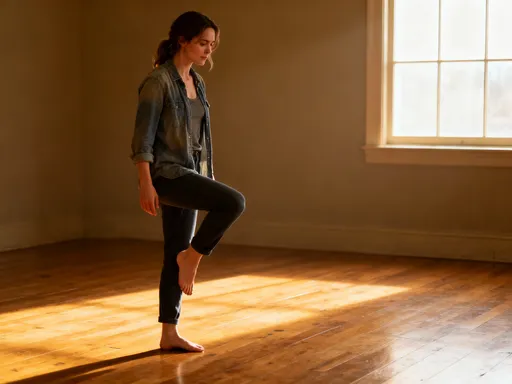
Supported bridges are another effective exercise. Lying on the back with knees bent and feet flat, a woman lifts her hips slightly off the ground, engaging the glutes and hamstrings. Placing a yoga block or pillow under the hips adds support and enhances circulation. These movements, when done consistently, improve circulation, maintain joint mobility, and strengthen the muscles needed for delivery and recovery. The goal is not to achieve a certain number of repetitions, but to move with awareness and purpose. Over time, this approach builds a body that feels capable, stable, and prepared—ready not just for birth, but for the physical demands of caring for a newborn.
Rest as an Active Recovery Tool
In a culture that often equates productivity with worth, rest can feel like a luxury—or even a failure. But for the postpartum body, rest is not passive. It is an essential, active component of healing. Tissues repair, hormones rebalance, and inflammation reduces during periods of quality rest. Sleep, in particular, plays a critical role in regulating cortisol, the stress hormone that, when elevated, can impair muscle recovery and weaken immune function. Yet many new mothers struggle to prioritize rest, caught in the cycle of feeding, soothing, and household demands.
Redefining rest as a recovery tool means approaching it with intention. It is not just about sleeping when the baby sleeps—though that remains valuable. It is about creating conditions that support physical restoration. Using supportive pillows to align the spine during sleep, for example, can reduce strain on the lower back and pelvis. Side-lying positions with a pillow between the knees help maintain hip alignment and relieve pressure on the abdominal wall. Elevating the legs slightly can reduce swelling and improve circulation. These small adjustments make rest more restorative, even when time is limited.
Napping without guilt is another crucial shift. A 20- to 30-minute nap can significantly improve alertness, mood, and energy levels. It does not have to replace nighttime sleep but can complement it. Encouraging partners, family members, or friends to take on short shifts of baby care allows for uninterrupted rest. Even lying down with eyes closed, practicing mindful breathing, can activate the parasympathetic nervous system—the body’s “rest and digest” mode—promoting healing. When rest is treated as a non-negotiable part of recovery, rather than an afterthought, women often find they have more energy, better focus, and greater emotional resilience. It is not laziness. It is physiology in action.
Emotional Wellness and Physical Healing Are Linked
The mind and body are not separate systems—they are deeply interconnected. Emotional stress, whether from sleep deprivation, identity shifts, or social isolation, can slow physical recovery. Elevated cortisol levels increase inflammation, delay tissue repair, and contribute to muscle tension. Conversely, emotional well-being supports hormonal balance, improves sleep quality, and enhances motivation to engage in self-care. Recognizing this connection is vital for a holistic recovery.
Mindfulness practices, such as meditation or focused breathing, help regulate the nervous system and reduce anxiety. Journaling allows women to process their experiences, identify patterns, and release emotional burdens. Talking with other mothers—whether in person or through support groups—provides validation and reduces feelings of isolation. These practices are not indulgences. They are essential components of healing, just like nutrition and movement.
Studies have shown that women who report higher levels of emotional support during the postpartum period also experience faster physical recovery and lower rates of postpartum fatigue. The presence of a supportive partner, family member, or friend can make a measurable difference in energy levels and overall well-being. When a woman feels seen, heard, and understood, she is more likely to prioritize her own care. Emotional wellness does not require grand gestures. It can be as simple as sharing a meal, receiving a kind word, or having someone say, “I see how hard you’re working.” These moments build resilience, reminding women that they are not alone in their journey.
Building a Sustainable Recovery Mindset
Recovery is not a race to return to a pre-pregnancy body. It is a gradual process of rebuilding strength, redefining identity, and honoring the profound changes that motherhood brings. The cultural narrative of “bouncing back” in six weeks is not only unrealistic—it can be harmful. The body takes time to heal. Hormones take months to stabilize. Emotional adjustment is ongoing. A sustainable recovery mindset embraces patience, self-compassion, and flexibility.
This means letting go of comparison—whether to social media images, past fitness levels, or other mothers’ timelines. It means celebrating small victories: walking around the block without pain, lifting the baby without straining, feeling a deeper breath. It means seeking professional guidance when needed, whether from a physical therapist, counselor, or lactation consultant. There is no shame in support. In fact, asking for help is a sign of strength.
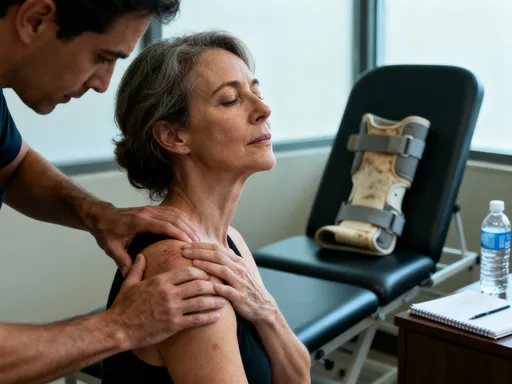
True rehabilitation extends far beyond the postpartum period. It is about building a foundation for long-term health—stronger pelvic floors, better posture, greater body awareness, and emotional resilience. It is about viewing the post-baby body not as something to be fixed, but as a testament to strength and transformation. With realistic expectations and consistent, compassionate care, women can emerge from this chapter not just recovered, but renewed—stronger, wiser, and more connected to themselves than ever before.