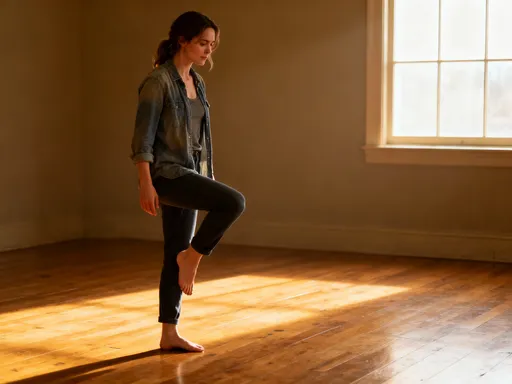
How I Beat Stress Fast with This Simple Move Routine
Feeling overwhelmed? You’re not alone. Daily stress can quietly erode mental clarity and energy. I’ve been there—until I found a movement-based routine that actually works. No fancy gear, no hours wasted. Just practical, science-backed moves that reset your mind fast. This isn’t a cure, but a real tool for mental relief. Let me walk you through how short, smart physical bursts can become your go-to for instant calm. It doesn’t require a gym membership, special clothing, or even much time. What it does require is a willingness to listen to your body and take small, consistent steps toward emotional balance. The good news is, you already have everything you need.
The Mental Burnout Trap We All Fall Into
Modern life moves fast, and many women in their 30s to 55s carry invisible loads—managing households, supporting families, meeting work demands, and often putting their own needs last. This constant juggling creates a cycle of mental burnout that builds slowly but hits hard. You might notice it as foggy thinking, irritability, trouble sleeping, or a persistent sense of being 'on edge' without a clear reason. These are not signs of weakness; they are signals from your body that stress has accumulated beyond its capacity to reset.
When stress remains unaddressed, it doesn’t just affect mood—it impacts focus, digestion, immune function, and even how you respond to everyday challenges. The brain, under prolonged pressure, shifts into survival mode, reducing its ability to plan, reflect, and regulate emotions. This can lead to snapping at loved ones, forgetting small tasks, or feeling emotionally drained after simple conversations. Over time, this mental fatigue becomes a habit, making it harder to access the calm, centered version of yourself you know is still there.
Here’s the overlooked truth: physical movement is not just about fitness or weight management. It’s one of the most direct ways to interrupt the stress cycle. Unlike passive relaxation methods like scrolling or watching TV, movement actively engages the nervous system, signaling safety and restoring balance. You don’t need to run a marathon or master yoga poses. Even brief, intentional motion can shift your internal state, bringing mental clarity back online. The key is consistency, not intensity.
Why Movement Unlocks Emotional Relief
The connection between body and mind is not philosophical—it’s biological. When you move, your brain releases a cascade of neurochemicals that directly influence how you feel. Endorphins, often called 'feel-good' chemicals, are naturally produced during physical activity and help reduce pain perception while boosting mood. At the same time, movement helps lower cortisol, the primary stress hormone that, when chronically elevated, contributes to anxiety, fatigue, and difficulty concentrating.
Equally important is how motion affects the autonomic nervous system—the part of your body that controls automatic functions like breathing, heart rate, and digestion. Chronic stress keeps this system stuck in 'fight or flight' mode, making it hard to relax even when there’s no immediate danger. Purposeful movement, especially rhythmic and repetitive types, activates the parasympathetic branch, often referred to as the 'rest and digest' system. This shift calms the mind, slows the breath, and allows the body to recover from daily strain.
Think of your nervous system like a thermostat. Stress turns up the heat, and without intervention, it stays high. Movement acts like a reset button, helping regulate that internal temperature. You don’t need to understand the science to benefit from it—just as you don’t need to know how a doorbell works to ring it. The effect is real: when your body moves with intention, your mind follows. This isn’t about pushing harder; it’s about moving wisely to restore emotional equilibrium.
My Go-To 10-Minute Reset Routine (And How It Works)
This routine was born out of necessity. I needed something I could do between tasks, without changing clothes or blocking off large chunks of time. After experimenting with different approaches, I landed on a 10-minute sequence that combines gentle activation, rhythmic motion, and mindful awareness. It’s designed to be repeatable, accessible, and effective—no equipment, no experience, no pressure.
The first phase is dynamic stretching—about three minutes of flowing movements that wake up the body. Start with shoulder rolls: ten forward, ten backward, feeling the space between your shoulder blades open. Then, add neck circles—slow, controlled rotations to release tension built up from looking at screens. Follow with side bends: stand tall, reach one arm overhead, and gently lean to the opposite side, feeling a stretch along your torso. Repeat on both sides. These movements increase blood flow and signal to your brain that it’s time to shift gears.
The second phase is rhythmic walking—four minutes of steady, intentional steps. If you’re indoors, walk in place or move around your living room. Focus on matching your breath to your steps: inhale for three steps, exhale for three. This simple coordination engages the brain-body connection and calms mental chatter. If you can go outside, even better. Nature enhances the effect, but the key is rhythm, not location. The goal is not to raise your heart rate but to create a moving meditation that clears mental fog.
The final phase is light resistance—three minutes of body-aware engagement. Try wall push-ups: stand facing a wall, place your hands on it at shoulder height, and perform 10–15 slow presses. This activates the chest and arms without strain. Then, do seated marches: sit on a sturdy chair, lift one knee at a time, and alternate in a marching motion. This engages the core and improves circulation. Finish with a minute of deep breathing: hands on your belly, inhale slowly through your nose, feel your abdomen rise, and exhale fully. This closes the loop, signaling safety and completion.
When and Where to Use It for Maximum Effect
Timing matters. This routine works best when used at strategic points in your day—moments when your energy dips or your mind feels cluttered. The morning, just after waking, is ideal for setting a calm tone. Instead of reaching for your phone, spend 10 minutes moving. You’ll prime your nervous system for the day ahead, reducing reactivity to inevitable stressors.
The midday slump—often around 2 or 3 p.m.—is another high-impact moment. After hours of sitting, screen time, or multitasking, your mental clarity fades. A quick reset during this window can restore focus and prevent the afternoon crash. Even doing just five minutes at your desk or in a quiet corner of your home office makes a difference. You don’t need privacy or silence—just a few intentional movements to interrupt the fatigue cycle.
Evening use is equally powerful, especially if you tend to carry the day’s tension into bedtime. Doing the routine after work, before dinner, or during a child’s homework time creates a transition from 'doing' to 'being.' It helps your body and mind unwind, improving sleep quality. Emotional spikes—moments of frustration, overwhelm, or sadness—are also ideal triggers. Instead of reacting immediately, pause and move. The physical shift often creates just enough space to respond thoughtfully rather than react impulsively.
To make it easier, prepare your environment. Keep a pair of comfortable shoes near your bed or desk. Clear a small space in your living room—just enough to move freely. Play soft, familiar music if it helps you focus, but don’t wait for perfect conditions. The goal is accessibility, not perfection. The more you remove barriers, the more likely you are to follow through when you need it most.
Common Mistakes That Kill the Momentum
Many people start strong but lose momentum because of a few common pitfalls. The biggest is waiting for the 'perfect time'—a quiet house, free schedule, or ideal mood. But stress doesn’t wait, and neither should you. The routine is designed for real life, not ideal conditions. Doing it with kids nearby, in your work clothes, or during a busy moment is not failure—it’s success. The act of showing up, even imperfectly, is what builds resilience.
Another mistake is overcomplicating the movements. Some try to add too many exercises, increase intensity, or follow complex videos. But this routine works because it’s simple and repeatable. When you make it harder than it needs to be, you create resistance. Stick to the basics: stretch, walk, engage, breathe. These elements are powerful on their own. You don’t need to reinvent the wheel—just keep turning it.
Skipping consistency is another barrier. People often think, 'If I can’t do 10 minutes, why bother?' But even three minutes counts. Science shows that short, frequent bursts of movement are more effective for mental regulation than occasional long sessions. It’s like brushing your teeth—daily maintenance matters more than occasional deep cleaning. Aim for regularity, not duration. On tough days, do one round of shoulder rolls and a minute of rhythmic breathing. That still resets your nervous system.
Finally, don’t confuse this with exercise for appearance. This isn’t about burning calories or building muscle. It’s about mental clarity, emotional balance, and nervous system regulation. When you shift your mindset from 'I should do this to look better' to 'I do this to feel better,' the motivation becomes intrinsic. You’re not moving to change your body; you’re moving to reclaim your mind.
Making It Stick: The 3-Day Test That Changed My Mind
I didn’t believe this would work at first. Like many, I assumed real change required big efforts or professional help. But a friend challenged me to try the routine for just three days—no pressure, no judgment. I agreed, setting a simple rule: do it at the same time each day, even if only for five minutes.
By day two, I noticed my breathing was deeper. I wasn’t consciously trying to breathe better—it just happened. My shoulders stayed lower, and I caught myself unclenching my jaw. On day three, a stressful email arrived, and instead of reacting immediately, I paused and did two minutes of seated marches. The difference was striking: I responded calmly instead of defensively. That small win made me realize the routine wasn’t just physical—it was rewiring my reactions.
I continued, not because I felt 'fixed,' but because I felt more present. The mental fog lifted earlier in the day. I slept more soundly. Conversations felt less draining. These weren’t dramatic changes, but subtle shifts that added up. The 3-day test didn’t solve everything, but it proved that small actions could create real results. I encourage you to run your own test. Pick a start time, commit to three days, and observe without judgment. You might not feel transformed, but you may notice a little more space, a little more calm, a little more control.
Beyond the Routine: Building a Life That Supports Mental Flow
While the 10-minute routine is a powerful tool, it works best as part of a broader approach to mental well-being. Think of it as the anchor—a daily practice that keeps you grounded—supported by other habits that nurture long-term balance. Hydration is one of the simplest yet most overlooked. Even mild dehydration can mimic anxiety symptoms, so drinking water throughout the day helps your brain function optimally.
Sleep is another pillar. Movement can improve sleep, but quality rest also enhances your ability to manage stress. Aim for consistency in your bedtime routine—dimming lights, reducing screen time, and creating a quiet space. Even small improvements in sleep hygiene can amplify the benefits of your movement practice.
Mindful pauses throughout the day reinforce the work you do in your 10-minute routine. These don’t need to be formal meditations. Simply stop for 30 seconds, feel your feet on the floor, and take three deep breaths. These micro-moments reset your nervous system and prevent stress from accumulating. Pairing the routine with brief journaling—writing down one thing you’re grateful for or one emotion you’re feeling—can deepen self-awareness and emotional processing.
Exposure to nature, even in small doses, has a calming effect. Step outside, feel the air, listen to birds, or walk barefoot on grass. These sensory experiences ground you in the present. Similarly, a digital detox—setting boundaries on screen time, especially before bed—reduces mental clutter and supports emotional regulation. None of these practices need to be perfect. The goal is integration, not perfection.
Over time, these habits work together, creating a lifestyle that supports mental flow. You begin to respond to stress with awareness rather than reaction. You regain a sense of agency over your emotional state. The 10-minute routine becomes not just a tool, but a ritual—a daily promise to yourself that your well-being matters.
Small movements create big shifts—not overnight, but consistently. This routine isn’t about perfection; it’s about presence. By giving your body a chance to respond, you reclaim mental space often lost to stress. Start short, stay steady, and let motion become your quiet ally. Always consult a professional if emotional strain persists—this is support, not a substitute.