It’s not just about alarms: How smart security lights brought peace to our evenings
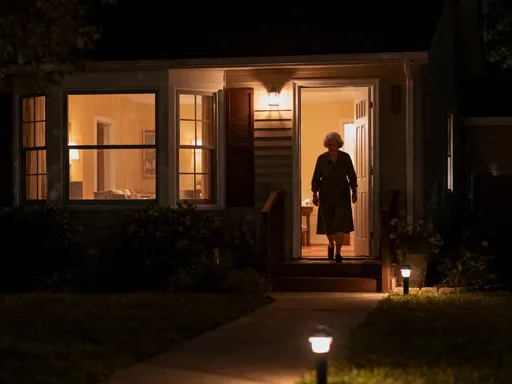
Remember that moment when dusk falls, and your house grows quiet? I used to feel a flicker of unease each evening—checking locks twice, wondering if the backyard was dark enough to hide something. Then we installed smart security lights. It wasn’t just about safety—it was about feeling safe. Now, stepping outside at night feels calm, natural. No more guessing. Just soft light where we need it, when we need it. This small change didn’t just protect our home—it changed how we live in it after dark.
The Quiet Anxiety No One Talks About
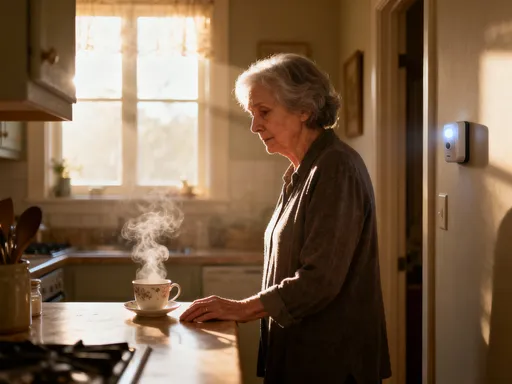
There’s a kind of quiet tension that settles in when the sun goes down. It’s not dramatic. You don’t see it in headlines or hear about it in conversations over coffee. But if you’re like me—a mom, a homeowner, someone who values peace in her own space—you’ve felt it. That little pause at the window, the double-check of the back door, the way your eyes scan the yard just a little too long. It’s not fear in the classic sense. It’s not like you think someone’s definitely out there. But it’s a low hum in the background, like a forgotten appliance left on. You don’t always name it, but it’s there, shaping your habits without your permission.
I used to think it was just part of being responsible. That this nightly ritual—locking up, closing blinds, listening for creaks—was what it meant to care for a home. But over time, I realized it wasn’t care. It was anxiety wearing the mask of caution. I’d lie in bed and wonder: Did I really secure the garage? Was that noise the wind or something else? And worst of all, I didn’t want to admit it because I thought I should be able to “handle it.” I wasn’t alone. A few months ago, I mentioned it to a friend during a school pickup, and she looked at me like I’d read her mind. “I do the same thing,” she said. “Every night. It’s exhausting.” That moment cracked something open. This wasn’t just my burden. It was ours.
For years, I tried to manage it with routines. I made checklists. I reminded myself that our neighborhood was safe, statistically speaking. But statistics don’t quiet the nervous system when you’re standing in a dark hallway at 10 p.m. What finally shifted wasn’t more discipline—it was a change in design. I stopped asking, “How can I tough it out?” and started asking, “How can my home help me feel safe, not just be safe?” That’s when I discovered smart security lighting. And it wasn’t about gadgets. It was about reclaiming peace.
Finding the Right Kind of Light—Not Just Bright, But Thoughtful
When I first looked into security lights, I pictured those blinding floodlights that turn on with a jolt, throwing harsh white beams across the yard. You know the ones—so bright they wake the dog and make your teenager yell, “What is that?!” from upstairs. I didn’t want that. I didn’t want to live in a prison yard. I wanted something different: light that felt like a gentle presence, not an alarm. Something that said, “We’re here,” without screaming it.
That’s when I learned about modern smart security lights—lights that don’t just turn on when motion is detected, but do it thoughtfully. These aren’t your dad’s motion sensors. Today’s models use advanced detection to tell the difference between a passing car, a swaying tree branch, and a person walking toward your front door. You can set activity zones through an app, so the light ignores the street but responds when someone steps onto your porch. You can adjust the brightness, the duration, even the color temperature. Some models offer a soft “pathway glow” that comes on at dusk and brightens only when motion is detected nearby. It’s not about flooding the space—it’s about illuminating it with intention.
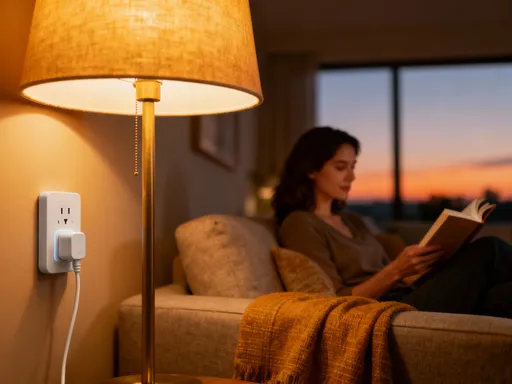
What surprised me most was how much control I had. I could schedule lights to come on at sunset, even if no one was moving around. That meant our porch was welcoming when we came home late, and it also made the house feel occupied when we were away. One evening, I was reading on the couch when the backyard light gently brightened. I looked out and saw our neighbor walking her dog along the sidewalk. The light had turned on just enough to guide her path without disturbing her. She waved. I smiled. That’s when it hit me: this wasn’t just about keeping bad things out. It was about making good things easier.
The real win? These lights don’t just react—they adapt. Over time, some systems learn your patterns. They notice when you come out to collect the mail at 5:30 p.m. and stop treating that as “suspicious.” They dim automatically under full moonlight. They integrate with other smart home tools, so if your doorbell camera sees motion, the lights can turn on in sync. It’s not magic. It’s technology designed to work quietly in the background, like a good helper who knows when to step in and when to step back.
How the Kids Started Playing Outside Again After Dinnertime
One of the sweetest surprises? Our backyard came back to life. Before we had these lights, evening playtime ended the moment the sun dipped below the trees. The kids would beg to stay out a little longer, but I’d say no. Not because I didn’t want them to play—but because I worried. The yard was too dark. I couldn’t see where they were. What if someone was watching? What if one of them tripped and got hurt and I didn’t notice? So we stayed inside. Board games, TV, early baths. Safe, yes—but also a little sad. We were trading safety for joy, and I didn’t even realize it.
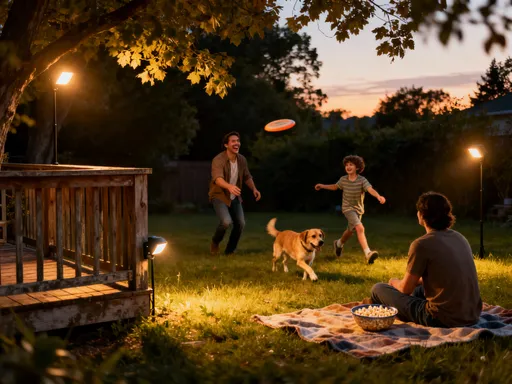
Now, the moment dinner is over, the kids grab their bikes and head outside. The lights come on softly along the path, near the swing set, by the back gate. They don’t blast on like a spotlight. They rise gently, like the house is waking up to greet them. I can sit on the porch with a cup of tea and watch them ride in circles, laugh, chase each other—all under a warm, reassuring glow. It’s not just that they’re safer. It’s that I *feel* safer. And that makes all the difference.
Our neighbors have noticed. One night, a mom from down the street stopped by to ask what kind of lights we use. “I see your yard lit up,” she said, “and it looks so peaceful. My kids used to play outside, but we stopped. Maybe it’s time to try again.” That conversation stayed with me. This isn’t just about protecting property. It’s about restoring a sense of normal, joyful living. It’s about saying yes to life after dark, instead of defaulting to no.
And it’s not just for kids. My husband started using the backyard more too—grilling later, watering the garden, even reading outside. The light created permission. It said, “This space is still part of your home. You don’t have to retreat indoors when the sun goes down.” That shift in mindset—feeling like your whole property belongs to you, even at night—is priceless.
Waking Up to a Calmer Morning Routine
You’d think the benefits would stop at night. But here’s what I didn’t expect: better mornings. I’m not joking. When you sleep more soundly, everything changes. Before, I’d wake up with a slight heaviness, like I’d been on guard all night. I’d lie there, mentally replaying the evening—Did I check the garage? Did I hear something around 2 a.m.? That background stress carried into the next day. I was more tired. More irritable. Less present with the kids.
Now, I wake up feeling lighter. Not because anything dramatic happened—but because nothing did. The system works silently. If something unusual occurs, like motion at 3 a.m. when no one’s supposed to be out, I get a gentle alert on my phone. But most nights? Nothing. Just peace. And that quiet consistency builds trust. I don’t have to wonder if I left a light on—the app shows me. I don’t worry about the garage door—the system can tell me its status. It’s not about being obsessive. It’s about having clarity instead of doubt.
My morning routine feels different now. I make coffee without rushing. I sit with the kids while they eat breakfast. I don’t start the day carrying the weight of last night’s unspoken worries. That may sound small, but it’s everything. When your home feels secure, you breathe deeper. You move slower. You’re more patient. You’re more yourself. That’s the ripple effect of feeling safe—it doesn’t just change your nights. It changes your days.
Simple Setup, Real Confidence
I’ll be honest—I was nervous about installing them. I’m not an electrician. I don’t own a toolbox beyond a screwdriver and a roll of duct tape. I pictured wires, ladders, calling a professional, spending hundreds. But when I opened the box, I was surprised. Most smart security lights today are designed for people like me—people who care about their homes but don’t want to spend a weekend rewiring them.
The setup took us one Saturday afternoon. We replaced two existing porch lights and added one near the back door. The instructions were clear. The app walked us through each step—connecting to Wi-Fi, naming the lights, setting motion zones. My husband handled the mounting (it was like replacing a lightbulb, really), and I did the app setup. Within a few hours, everything was live. No electrician. No stress. Just a quiet sense of pride. We did this. Together. For our family.
That’s part of what made the difference—not just the technology, but the act of doing it ourselves. It wasn’t a contractor coming in to fix a problem. It was us taking control. And that builds confidence in a way a perfectly installed system from a stranger never could. Every time the light turns on now, I don’t just feel safe—I feel capable. Like we’re not just reacting to life, but shaping it.
And if you’re thinking, “But what if I mess it up?”—I get it. I felt that too. But most brands offer excellent customer support, video guides, and even in-app chat. One company I looked at has a 24/7 help line just for installation questions. You’re not alone. And the truth is, if you can hang a picture frame, you can install a smart light. It’s not about being tech-savvy. It’s about being willing to try.
When the Power Went Out—And the System Still Worked
Then came the storm. A real one. Wind howling, trees bending, power flickering—and then, gone. The whole neighborhood went dark. I lit candles, gathered flashlights, tried to keep the kids calm. And then I stepped to the back door and saw it: our pathway light was on. Soft, steady, glowing through the rain. I opened the door and saw the porch light working too. Not full brightness, but enough to see the steps. Enough to feel safe.
That’s when I remembered: we’d chosen models with battery backup and solar charging. It wasn’t something I thought much about during setup. I’d just checked the box because it seemed like a good idea. But in that moment, it meant everything. We weren’t plunged into helplessness. We had light where we needed it most. The garage light stayed off—no need to conserve for that—but the key areas were covered. It wasn’t about being off-grid. It was about resilience. About knowing that even when systems fail, we had a backup.
That night, I didn’t feel vulnerable. I felt prepared. And my kids? They noticed. “The lights still work!” my daughter said, amazed. “It’s like they’re magic.” I smiled. It wasn’t magic. It was planning. It was choosing a system that thought ahead. And in that moment, I realized how much peace comes not from everything going perfectly—but from knowing you can handle it when things don’t.
Since then, I’ve talked to two other moms who experienced the same thing during outages. One had solar-powered path lights that stayed on for hours. Another had a smart system with a built-in battery that lasted through a 12-hour blackout. It’s a small detail when you’re shopping—but a huge one when the lights go out. And it’s not just about convenience. It’s about dignity. About not feeling like a victim of the weather. It’s about your home still being *yours*, even when the grid isn’t.
More Than Security—It’s About Trusting Your Home Again
Now, when dusk comes, I don’t tense. I breathe. I watch the sky turn soft blue, then purple, then deep. And as the first stars appear, our lights come on—not with a jolt, but with a quiet grace. It’s not a signal of danger. It’s a signal of care. A reminder that this space—this home—is looked after.
This isn’t just about preventing break-ins or catching motion on a camera. It’s about something deeper. It’s about reclaiming the ease of living. It’s about being able to step outside to grab the mail, check on the plants, or just stand in the quiet of the evening without your shoulders creeping up to your ears. It’s about your kids playing until bedtime, your husband grilling under the stars, you sitting with a book on the porch—because the light says it’s okay.
Technology gets talked about like it’s cold, impersonal, distracting. But when it’s designed with life in mind, it does the opposite. It connects us more deeply to our homes. It removes friction. It gives us back time, energy, and emotional space. It lets us be present—because we’re not busy worrying.
I used to think feeling safe was something I had to earn through vigilance. Now I know it’s something a home can offer. These lights didn’t just change how we see our yard at night. They changed how we feel in our own skin. They gave us back a sense of calm we didn’t even realize we’d lost. And that? That’s not just smart tech. That’s smart living.