What if you could finally stop worrying when your parents are alone at home?
You know that nagging feeling—your parents insist they’re fine living independently, but every unanswered phone call spikes your anxiety. What if a fall goes unnoticed? What if no one knows they need help? We’ve all been there. But what if a simple device could quietly watch over them, not to spy, but to give you real-time peace of mind? This isn’t about high-tech overload. It’s about staying connected, caring from afar, and finally breathing easier—every single day. I used to lie awake wondering if Mom had taken her pills or if she’d slipped in the bathroom. Then everything changed—not because she had an accident, but because I found a way to care without hovering.
The Moment Everything Changed
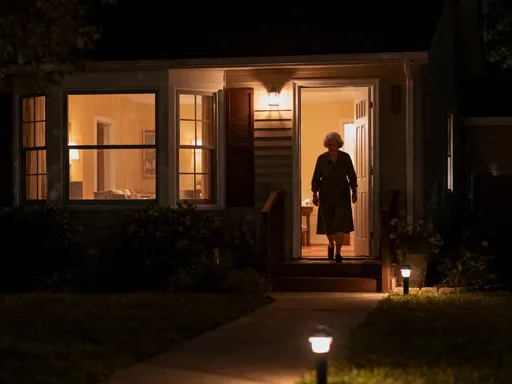
It was a quiet Tuesday afternoon when my world tilted. I called Mom like I always do around 3:00 p.m., just after her nap. No answer. I told myself she was fine—maybe vacuuming, or taking a longer rest. But by 5:00, I couldn’t shake the tightness in my chest. I called my brother, who lives two hours away. He hadn’t heard from her either. I drove over, heart pounding, imagining the worst. When I got there, she was okay—just watching an old movie with the sound up high and her phone on silent. Relief washed over me, but so did guilt. I should’ve known. I should’ve had a way to know.
That night, I called my friend Lisa, who’s been managing her dad’s care from across the state. She listened quietly, then said, 'I had the same fear. But there’s something that helps—something simple.' She told me about a small motion sensor she’d placed in her dad’s hallway. No cameras, no recordings—just a device that tracks movement patterns. If he doesn’t move for a set amount of time, she gets a gentle alert on her phone. 'It doesn’t replace calling,' she said. 'But it replaces panic.' I was skeptical at first. Did I really want to monitor my mom’s movements? But Lisa reminded me: this wasn’t about control. It was about connection. It was about knowing she was moving, living, breathing—without having to call and interrupt her day. That conversation planted a seed. A few days later, I ordered one for Mom.
How a Simple Sensor Became Our Silent Guardian
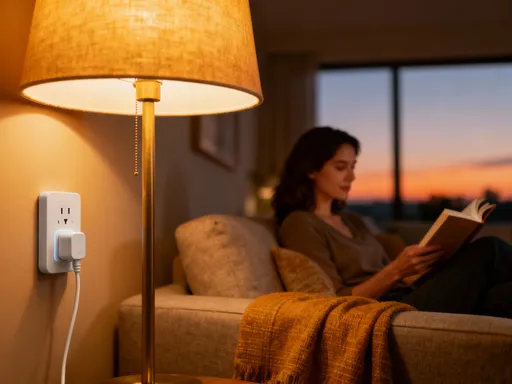
Setting it up was easier than I expected. The device is about the size of a deck of cards—thin, white, unobtrusive. We placed it in the hallway just outside her bedroom, where it could detect movement toward the kitchen, bathroom, or living room. No wires, no drilling. It connects to Wi-Fi and starts learning her daily rhythms within a few days. The key? It doesn’t record video or audio. It doesn’t watch or listen. It only senses motion—like a quiet pulse checking in on the house.
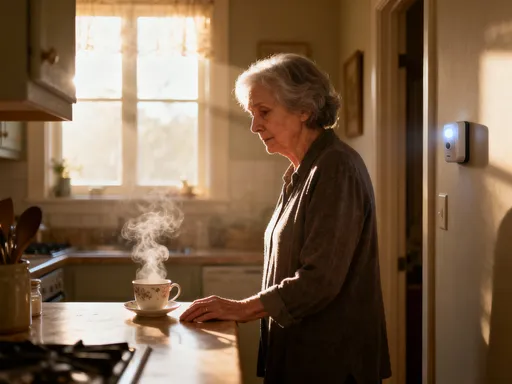
After the first week, I started to notice patterns. Mom usually gets up around 7:30, shuffles to the kitchen for tea, then reads the paper by the window. By 10:00, she’s often in the living room, watering her plants. Seeing these small confirmations in the app—'Movement detected: 7:32 a.m.'—gave me a strange kind of comfort. It wasn’t just about safety. It was about presence. I wasn’t invading her privacy—I was honoring her routine. And when I did call, our conversations changed. Instead of 'Are you okay?' I could say, 'I saw you were up early—did you enjoy your oatmeal today?' She’d laugh and say, 'You always know!' It felt like we were still sharing a home, even though we lived miles apart.
One morning, the app didn’t show any movement by 9:00. My heart skipped. I called—no answer. I sent a text. Still nothing. I was about to call the neighbor when, at 9:15, the app lit up: 'Movement detected.' I called again. She picked up, cheerful. 'Oh, honey, I was in the backyard pulling weeds! Phone was inside.' I laughed, but I also exhaled. That moment—the stillness, the alert, the quick resolution—showed me how much this little device had already done. It didn’t just give me data. It gave me clarity. And clarity, I’ve learned, is the opposite of fear.
Progress Tracking: More Than Just Movement
At first, I thought the sensor was only for emergencies. But over time, I realized it was doing something deeper—it was helping me see the subtle shifts in Mom’s life. I started noticing that she wasn’t moving much in the afternoons anymore. For weeks, the app showed her morning routine was steady, but after 2:00 p.m., the house often went quiet. I didn’t jump to conclusions. But during our next visit, I gently asked, 'You’ve been resting more in the afternoons. Is your knee acting up again?' She paused, then admitted yes—she’d been having pain but didn’t want to worry me.
We made a doctor’s appointment together. Turns out, she needed a minor adjustment to her arthritis medication. Nothing serious—but catching it early made all the difference. She started walking more in the afternoons again, and the app reflected that. It wasn’t diagnosing anything. No piece of technology can do that. But it was acting like a gentle whisper: something’s changing. Pay attention. That’s the real power of tracking—not to replace human care, but to support it. It’s like having a second set of eyes that don’t judge, don’t nag, just notice.
I’ve also started using the data to plan my visits. If I see she’s been more active, I know she’s feeling good—maybe it’s a good week to bring over a new recipe to try. If the movement is lighter, I’ll stop by with soup and sit with her longer. It’s not about managing her life. It’s about showing up in ways that truly help. And honestly? It’s made me a more thoughtful daughter. I’m not guessing what she needs. I’m seeing it, quietly, in real time.
Doing It Together: How My Friend and I Made It Work
Lisa and I didn’t just share stories—we became a team. After I installed the sensor, we started texting about settings, placement, and how to talk to our parents without making them feel watched. She taught me to use 'quiet hours' in the app so we wouldn’t get alerts during naps. I showed her how to set up email backups in case the phone died. We even laughed about our 'elderly motion graphs'—how Dad’s activity spiked every Wednesday (grocery day) and Mom’s dropped during rainy weeks.
But more than the tips, we shared the emotional load. There were days when an alert came in and my hands shook as I dialed. Lisa would text, 'Breathe. Call. Then tell me what happened.' And after, when I’d report it was nothing—just a long bath or a movie marathon—she’d reply, 'Thank goodness. But I’m glad you knew.' That support made all the difference. Caring for aging parents can feel so lonely, especially when you’re the one 'in charge' from afar. But having someone who truly gets it—someone who also checks her app every morning before coffee—makes the journey lighter.
We also celebrated the small wins. When Mom started walking to the mailbox every day again, I texted Lisa a screenshot. 'Progress!' she wrote back. When her dad began gardening more, she sent me a photo of his motion chart lighting up on weekends. These weren’t just data points. They were victories. And sharing them made us feel less like caregivers and more like daughters who were finally able to breathe.
Making It Feel Natural, Not Invasive
The hardest part wasn’t the tech—it was the conversation with Mom. I didn’t want her to feel like I didn’t trust her, or that I was spying. So I approached it differently. I told her, 'I worry. Not because you’re not capable, but because I love you. And this little thing? It helps me worry less so I can enjoy our calls more.' I showed her the device—so small, so plain. I let her choose where it went. We settled on the hallway, 'so it doesn’t see the bedroom or bathroom,' she said with a smile.
I also showed her the app. It’s simple—just a timeline of dots showing movement. No video, no sound, no personal details. 'So it just knows I’m moving around?' she asked. 'Yes,' I said. 'And if you don’t move for a long time, I get a little alert—like a nudge to call and check in.' She thought for a moment, then said, 'Well, that’s not so bad. Better than you calling every hour!' We both laughed. Over time, she even started referencing it. 'Did you see I walked to the store today?' she asked one afternoon. 'Yes!' I said. 'I saw the morning dot!' It had become part of our rhythm—a quiet, shared language of care.
The key was respect. We didn’t hide it. We didn’t force it. We invited her in. And because she felt included, she didn’t resist. In fact, she began to appreciate it. 'It makes you feel safer, doesn’t it?' she said to me one day. 'Yes,' I admitted. 'And that means I can be calmer when we talk. I can just be your daughter, not your detective.' She smiled. 'Good. That’s how it should be.'
Real Life, Real Results
It’s been eight months since we installed the sensor. In that time, I’ve gotten only three real alerts—moments when movement didn’t happen as expected. One was the backyard weeding day. Another was when her phone died during a storm and the Wi-Fi went out. The third? She overslept after taking a new allergy medicine. Each time, I was able to respond quickly—not with panic, but with calm. I called, checked in, and resolved it within minutes.
But the real result isn’t in the alerts. It’s in the peace. I no longer dread the silence. I don’t replay unanswered calls in my head. I sleep better. I focus more at work. I’m present with my kids, knowing Mom is okay. My sister, who’s always been skeptical of tech, noticed the change in me. 'You seem lighter,' she said. When I told her about the sensor, she didn’t roll her eyes. She asked for the name of the device and set one up for her in-laws within a week.
It’s not a magic fix. It won’t prevent aging or stop time. But it creates space—a buffer between fear and action. It turns helplessness into quiet confidence. And that confidence? It radiates. It changes how I show up in every part of my life. I’m not just surviving caregiving. I’m managing it—with grace, with clarity, with love.
A Smarter, Softer Way to Stay Close
This isn’t about futuristic gadgets or cold data streams. It’s about love. It’s about finding modern ways to care for the people who once cared for us. The motion sensor didn’t replace my role as a daughter. It enhanced it. It gave me back time, energy, and emotional space. I’m not guessing anymore. I’m knowing. And knowing lets me love better—without the shadow of worry.
More than that, it’s helped Mom feel more independent. She knows I’m not calling every hour to check. She knows I trust her. But she also knows I’m close—just a notification away. That balance—between freedom and connection—is everything. We both win. She keeps her dignity. I keep my peace.
I used to think caring meant being physically present, or at least constantly checking in. Now I see it differently. Caring can be quiet. It can be respectful. It can be smart. Technology, when used with heart, isn’t cold—it’s compassionate. It’s not about replacing human touch. It’s about making room for more of it. Because when we’re not drowning in worry, we have more love to give. And isn’t that what this is all about? To care deeply, to stay close, and to finally breathe easy—knowing that even when we’re apart, we’re still connected, every single day.