More than typing: How voice-to-text gave me back hours in my day
You know that feeling when your to-do list stretches longer than your energy? I used to stare at my phone, dreading the emails, messages, and notes I had to write—until I truly learned to speak instead of type. It didn’t just save time; it changed how I move through my day. Now, I dictate ideas on walks, capture thoughts in traffic, and even draft lists while cooking. This isn’t about flashy tech—it’s about real, everyday freedom. Let me show you how small shifts with voice-to-text can make your life feel lighter, smarter, and more in control.
The Moment I Realized Typing Was Holding Me Back
There was a rainy Tuesday last spring when everything came to a head. I was in the grocery store parking lot, one hand gripping a coffee, the other balancing a bag of apples, my phone buzzing in my coat pocket. My youngest had just told me a hilarious story at breakfast—one of those golden, fleeting moments you know you’ll want to remember later—and I’d promised myself I’d write it down. But by the time I got to the car, I was already juggling too much. I pulled out my phone, one finger poking at the screen while I tried not to spill my drink, and suddenly it hit me: I couldn’t type fast enough to keep up with life.
By the time I opened a new note, I’d already forgotten half the punchline. That wasn’t the first time I’d lost a thought that way, but it was the first time I really paid attention. How many ideas, sweet memories, or to-dos had slipped through my fingers because I was waiting for the ‘right moment’ to type? I started noticing the pattern everywhere: voice memos piling up untranscribed, sticky notes falling off the fridge, reminders I’d meant to send but never did. The truth was, typing wasn’t just slow—it was interrupting my life. Every time I stopped to type, I had to pause being present. And as a mom, a partner, a friend, and someone trying to hold down a job, pausing wasn’t really an option.
That’s when I decided to stop fighting it. Instead of forcing myself to type everything, I asked: what if I could just talk? Not shout into my phone like I was giving orders, but speak naturally, like I would to a friend. I’d heard of voice-to-text before, of course—everyone has—but I’d always thought of it as glitchy, awkward, or something only people with ‘important jobs’ used. But what if it wasn’t about perfection? What if it was just about progress? That rainy afternoon, I opened my Notes app, tapped the microphone, and said, ‘Remind me to order birthday candles for Lily’s cake.’ And just like that, it was saved. No typos. No struggle. No coffee spill. It felt small, but it was a turning point. I wasn’t just saving time—I was reclaiming moments.
What Voice-to-Text Actually Does (And What It Feels Like to Use It)
If you’ve never really tried voice-to-text, you might imagine it’s like talking to a robot that only half understands you. I did too. But here’s the thing: the technology has come so far in the last few years that it now feels less like tech and more like magic—quiet, helpful magic. Think of it as having a personal note-taker who’s always with you, listens without judgment, and writes down exactly what you say in clear, readable text. No need to shout. No robotic voices. Just tap, speak, and go.
Most smartphones today—whether iPhone or Android—have built-in voice typing that works across apps. You’ll see a little microphone icon on your keyboard. Tap it, and you can start speaking. The tool listens in real time and converts your speech into text, almost instantly. And it’s surprisingly smart. It picks up on natural pauses, understands when you say ‘comma’ or ‘period,’ and even figures out where to start a new sentence if you take a breath. You don’t have to talk like a news anchor or enunciate every syllable. Just speak the way you normally do. I’ve used it while walking, driving, chopping vegetables—you name it. The first few times, I admit, I felt a little self-conscious. Who wants to be that person talking to their phone in public? But once I saw how accurate it was, that awkwardness faded fast.
Here’s an example: last week, I was dropping my son off at soccer practice. While waiting in the car, I needed to send a quick message to my sister about our mom’s birthday dinner. Instead of typing one-handed while watching the field, I said, ‘Hey, can we do Saturday at six? I’ll bring the dessert. Let me know what works for you. Love you.’ I hit send, and it went through perfectly—punctuation and all. No typos. No stress. That’s the beauty of it: it works in the messy, moving parts of life, not just when you’re sitting at a desk with perfect lighting and silence. It’s not about replacing typing—it’s about giving you another way to stay on top of things when typing just isn’t practical.
Small Moments, Big Gains: Where I Use It Every Day
The real power of voice-to-text isn’t in grand gestures—it’s in the tiny, overlooked moments that add up over time. Think about all the ‘in-between’ times in your day: walking the dog, folding laundry, standing in line at the pharmacy. These aren’t usually the times we think of as productive, but they’re exactly where voice-to-text shines. Instead of letting ideas float away, I’ve learned to capture them in real time.
One of my favorite uses is in the kitchen. I love cooking, but I’m terrible at remembering recipes I come up with on the fly. Last month, I was making a lentil stew and had this idea to add smoked paprika and a splash of apple cider vinegar. I didn’t want to stop stirring to type it out, so I just said, ‘New lentil stew recipe: one cup dried lentils, two chopped carrots, one onion, smoked paprika to taste, splash of apple cider vinegar at the end. Save this.’ Later, when I opened my Notes app, there it was—clear, organized, ready to be used again. It wasn’t just about the recipe; it was about not losing a creative spark just because my hands were busy.
Another big win? Capturing moments with my kids. Children say the most amazing things—funny, wise, heart-melting things—and they say them when you’re least prepared. A few weeks ago, my daughter whispered, ‘Mom, I think trees are whispering to each other underground.’ I was tucking her in, hands full of blankets, and instead of saying, ‘Hold that thought,’ which we both know never works, I quietly opened my phone and said, ‘Save this: Emma said, “I think trees are whispering to each other underground.”’ The next morning, I read it back and smiled all over again. That’s not just convenience—that’s preserving joy.
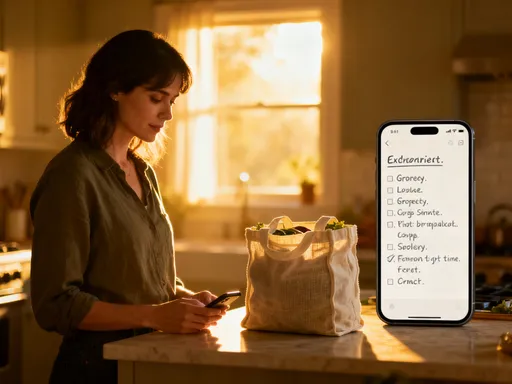
And let’s talk about errands. I used to walk into the grocery store with a mental list that would vanish the second I passed the cereal aisle. Now, I dictate my list while I’m still in the kitchen. ‘Milk, eggs, whole wheat bread, bananas, oat milk, dish soap, dog treats, birthday card for Aunt Carol.’ I don’t have to memorize anything. I don’t have to scribble on a scrap of paper that I’ll lose. It’s all there, in my phone, neat and ready. These aren’t life-changing moments, but together, they’ve changed my life. They’ve given me back time, focus, and a sense of calm I didn’t know I was missing.
How It Changed My Work Without Overhauling My Routine
I’ll be honest—I was skeptical about using voice-to-text for work. I thought it might seem unprofessional, like I was cutting corners. But the truth is, it’s made me better at my job. I work in communications, which means I write a lot: emails, reports, project summaries. I used to spend hours at my desk, fingers flying over the keyboard, trying to get everything just right. But I noticed something: when I typed, I often got stuck on word choice or sentence structure. I’d edit as I went, which slowed me down and sometimes made my writing feel stiff.
When I started dictating my drafts instead, everything shifted. Speaking feels more natural than typing for me. I can think in full thoughts, not just fragments. I’ll say, ‘Here’s what I’m thinking for the client update: we’re ahead of schedule on Phase Two, the team has resolved the budget concern, and we’ll share the new timeline by Friday. Let me know if you’d like to jump on a call to discuss.’ I speak it once, and it’s down. Later, I’ll go back and tweak a word or two, but the core idea is captured—clearly and quickly. I’ve found that speaking helps me organize my thoughts before I write. It’s like talking through a problem with a colleague, except the colleague is me, and the result is already saved.
Another game-changer? Preparing for meetings. Instead of staring at a blank document trying to outline my points, I’ll take a five-minute walk and dictate my thoughts. ‘Okay, for the budget meeting: remind the team we’re under by 12 percent, suggest reallocating funds to training, propose a check-in next month. Keep it positive but data-driven.’ By the time I sit down, I’m ready. I’m not scrambling. I’m confident. And my coworkers have noticed. One even asked, ‘How do you always come in so prepared?’ I smiled and said, ‘I talk to my phone more than my husband.’ (We both laughed—don’t worry, I’m not actually married to my phone.)
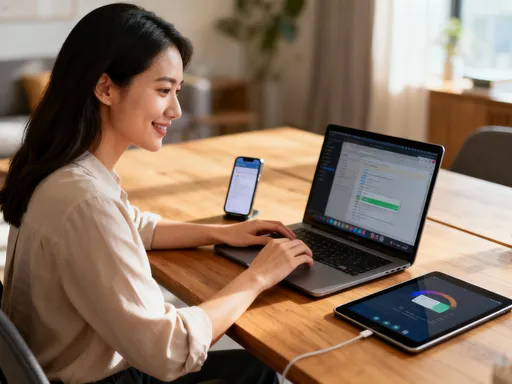
The key is balance. I’m not abandoning my keyboard. There are still times when typing is faster or more private—like in a quiet office or during a Zoom call. But voice-to-text has become my go-to for first drafts, quick messages, and brainstorming. It’s not about doing more work—it’s about working smarter, with less friction. And honestly, it’s made me enjoy writing again. It doesn’t feel like a chore. It feels like thinking out loud.
Family Life Got Easier When I Started Speaking Instead of Typing
One of the biggest gifts voice-to-text has given me is presence. As much as I love staying connected, I hate how easy it is to get sucked into my phone during family time. You know the scene: everyone’s at the dinner table, and suddenly someone says something sweet or funny, and instead of just enjoying it, I’m reaching for my phone to write it down. That moment of connection gets broken. The magic fades.
Now, I don’t have to choose. I can stay engaged and still capture what matters. If my son tells a joke during dinner, I can glance at my phone, tap the mic, and quietly say, ‘Save this: Ben’s joke about the chicken who opened a bakery—“He made dough, not war.”’ No one even notices. The conversation keeps flowing, and the memory is saved. It’s a small shift, but it’s made a big difference in how I show up for my family.
I’ve also used it to stay in touch with loved ones in a more personal way. Last month, my mom turned 70. I wanted to write her a heartfelt card, but I kept putting it off because I couldn’t find the ‘perfect’ moment to sit down and type. So instead, I recorded it while driving home from work. I said, ‘Dear Mom, happy 70th birthday. You’ve taught me so much about kindness, strength, and how to make the best apple pie. I’m so proud to be your daughter. I love you more than words can say.’ I played it back, copied the text, and wrote it in her card. It was sincere, warm, and deeply personal—exactly what I wanted. And I didn’t need a quiet evening or a blank journal. I just needed a few minutes and my voice.
It’s also helped me manage the endless stream of family logistics. Birthday parties, school events, doctor appointments—I don’t have to stop what I’m doing to text my partner. I can just say, ‘Text Mike: don’t forget Lily’s dentist appointment is Thursday at 3:30.’ The message sends, and we’re both on the same page. No nagging. No missed details. Just smooth coordination. In a busy household, that kind of ease is priceless.
Tips for Making It Feel Natural (Not Robotic)
If you’re new to voice-to-text, it might feel strange at first. That’s totally normal. I remember walking around my backyard, whispering to my phone like I was in a spy movie. But like any new habit, it gets easier with practice. The key is to start small and be kind to yourself. You don’t have to be perfect. You don’t even have to be loud.
Here’s what helped me: speak like you’re talking to a real person. Don’t force yourself to say ‘comma’ after every pause—just say it when it feels natural. Most tools understand context. If you say, ‘Let’s meet at six p.m. period,’ it will add the period. Say ‘new line’ when you want to start fresh. Over time, you’ll develop a rhythm. I also recommend using it for low-pressure things first. Dictate your grocery list. Record a quick note to yourself. The more you use it, the more confident you’ll feel.
Another tip: don’t expect it to be flawless. Sometimes it mishears a word—‘dessert’ becomes ‘desert,’ or ‘Ben’ becomes ‘bin.’ That’s okay. I always do a quick scan after dictating, just to catch any errors. But honestly, it’s faster to fix one typo than to type the whole thing from scratch. And the more you use it, the better it gets at understanding your voice, your pace, your way of speaking.
Finally, give yourself permission to be imperfect. This isn’t about sounding polished. It’s about getting your thoughts out. If you stumble over a sentence, just start again. If you forget a word, pause and keep going. Think of it like journaling out loud. The goal isn’t perfection—it’s progress. Once I let go of the need to sound ‘professional,’ everything clicked. Now, it’s as natural as breathing. I even use it to plan my outfits. ‘Wear the blue dress to the party, black shoes, red lipstick. Don’t forget the jacket.’ Yes, I really said that. And yes, it helped.
Why This Isn’t Just About Convenience—It’s About Living With More Room to Breathe
When I first started using voice-to-text, I thought it was just a time-saver. And it is—I’ve probably reclaimed hours every week. But what I didn’t expect was how much mental space it would give me. I used to carry so much in my head: things to remember, messages to send, ideas to write down. It was like my brain was a cluttered closet, overstuffed and hard to navigate. Voice-to-text has helped me clear the shelves. Now, when a thought comes, I don’t panic. I just speak it into existence. It’s out of my head and into the world, where it can be used, shared, or saved.
That shift has made me calmer, more focused, and more creative. I’m not constantly worried about forgetting something. I’m not rushing to type before the moment passes. I can just be—present with my kids, enjoying a walk, savoring a quiet morning. And when inspiration strikes, I’m ready. I don’t have to choose between living and recording. I can do both.
In a world that asks so much of us—be productive, be present, be perfect—sometimes the simplest tools offer the deepest relief. Voice-to-text isn’t flashy. It won’t win design awards. But it has given me something invaluable: the freedom to move through my day without constantly stopping to catch up. It’s helped me feel more in control, more connected, and more like myself. And if you’re feeling overwhelmed, stretched thin, or just tired of typing, I want you to know—there’s another way. You don’t have to do it all the hard way. You can just talk. And in that simple act, you might just find a little more room to breathe.