What If Your To-Do List Could Keep Up with Your Life?
Imagine opening your phone and seeing not just tasks, but your entire day—clear, calm, and completely under control. No more sticky notes, no forgotten deadlines. Just you, your goals, and a simple system that adapts to your rhythm. I used to drown in chaos—until I discovered how project management platforms could work quietly behind the scenes, not just for teams, but for one person: me. And it changed everything. It wasn’t about doing more. It was about feeling less overwhelmed, more in tune with myself, and finally—finally—having space to breathe.
The Solo Hustle: When Life Feels Like Too Many Projects, Too Little Time
You don’t need a title to be running a full-time operation. Every day, you’re managing your career, your home, your family’s schedule, your health, and maybe even a side passion or two. You’re the project manager, the operations director, the emotional support team, and the one who remembers the dog’s vet appointment. But here’s the truth: when you’re the only one holding all the pieces, it’s easy for something to slip. That permission slip for school? Forgotten in the bottom of your bag. The birthday gift for your sister? Ordered the night before. And that idea you had to start journaling or learning piano? Lost somewhere between dinner prep and bedtime stories.
I remember one Tuesday that felt like it lasted a week. I had a presentation due at work, my son had a soccer game, my husband was out of town, and I had promised to make my mom’s famous lasagna for Sunday dinner. By Wednesday morning, I realized I hadn’t even bought the ricotta. I was running on fumes, my brain buzzing with half-remembered to-dos, and I kept asking myself, Why does it feel like I’m always behind? The answer wasn’t laziness or poor time management. It was that I was trying to manage a complex life with tools built for simpler times—like a paper planner that couldn’t talk back, remind me, or adjust when life changed.
The mental load of being the primary organizer in a household is real. It’s not just about doing the tasks—it’s about remembering them, planning them, anticipating them. And that constant background noise? It’s exhausting. I started looking for something better. Not a magic solution, but a system that could keep up with the rhythm of real life—something that didn’t add more steps, but actually made things easier. That’s when I found project management tools—not as corporate software for meetings and spreadsheets, but as a lifeline for one person trying to stay afloat.
From Overwhelm to Overseeing: Why Project Platforms Aren’t Just for Teams
Let’s be honest—when you hear “project management,” you probably think of team stand-ups, Gantt charts, or coworkers tagging you in endless comment threads. I did too. That’s why I almost skipped over tools like Trello, Asana, or Notion when I first saw them. They looked complicated. Too much for one person. But then I watched a friend—a mom of three, just like me—show me her screen. She tapped once, and her entire week unfolded in front of her: color-coded tasks, upcoming deadlines, even a note that said Call dentist—ask about payment plan. And she wasn’t stressed. She looked… calm.
That’s when it clicked. These tools aren’t just for teams. They’re for anyone managing multiple moving parts. The real power isn’t in collaboration—it’s in clarity. They give you structure without rigidity, flexibility without chaos. You can organize your tasks by energy level instead of just urgency. That low-effort chore like reply to Aunt Carol’s email? Put it in the “low energy” list for when you’re tired. The creative project you’ve been putting off, like start that scrapbook for Mom? Schedule it for Saturday morning, when you have coffee and quiet.
What surprised me most was how much mental space it freed up. I wasn’t walking around trying to remember everything anymore. My phone did that for me. And because I could see everything in one place—work projects, school events, personal goals—I stopped feeling like I was failing at something. Instead, I felt like I was managing it all—with support. These platforms don’t replace your intuition or your rhythm. They amplify it. They help you work with your natural flow, not against it. And that shift—from constant catching up to calm oversight—wasn’t just productive. It was peaceful.
Building Your Personal Command Center: Designing a System That Feels Like You
Your system shouldn’t feel like a corporate dashboard. It should feel like home. That’s why the first step isn’t about features or functions—it’s about intention. Ask yourself: What does a good day look like for me? What kind of support do I need? For me, it was about simplicity, visual calm, and flexibility. I didn’t want another app that demanded my attention. I wanted one that quietly held my life together.
I started with Notion because it let me build exactly what I needed. I created three main views: a daily list, a weekly calendar, and a mood-based board. The daily list shows only what’s due today—nothing more. The weekly calendar gives me a bird’s-eye view so I don’t double-book or miss a parent-teacher conference. And the board? That’s where I sort tasks by how I’m feeling. Blue cards for low-effort tasks, yellow for creative ones, green for things that make me feel accomplished. It sounds simple, but it changed how I approach my day.
I also learned to name things in a way that felt meaningful. Instead of Project Fitness, I called it Feel Strong and Energized. Instead of Home Maintenance, I named it Keep Our Nest Cozy. These small shifts made the tasks feel less like chores and more like choices I was making for my family and myself. I used tags for categories like kid-related, me-time, family fun, and money matters, so I could filter and focus when needed.
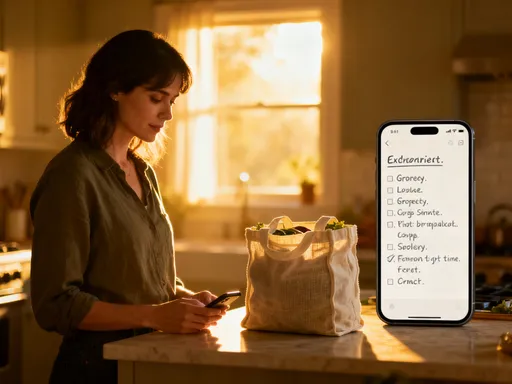
The real game-changer was creating a daily dashboard. Every morning, I open the app and see a clean screen: today’s top three priorities, any time-sensitive tasks, and a little note I wrote to myself the night before—sometimes it’s Be kind to yourself, other times Don’t forget to laugh. It takes two minutes to review, and it sets the tone for my entire day. This isn’t about perfection. It’s about presence. And when your system feels like an extension of you—not a foreign language you have to translate—you’re more likely to stick with it.
Flexibility in Motion: Adapting Your Plan Without Losing Momentum
Let’s talk about the thing no planner talks about enough: life happens. You can have the most beautiful, color-coded schedule in the world, and then—your daughter wakes up with a fever, your car won’t start, or your boss moves a deadline up by two days. That’s when most systems fail. But here’s what I love about digital platforms: they don’t break when life changes. They bend.
I remember planning a whole week around getting my taxes done on Wednesday night. I had the documents ready, the kids were going to stay at Grandma’s, and I even bought a special tea to make it feel like a treat. Then, on Tuesday, my mom called—she’d fallen and needed help sorting out her insurance. My heart sank. I had to cancel everything. But instead of scrapping the plan and feeling defeated, I opened my app, clicked on the tax task, and dragged it to the following week. Instantly, the reminder updated, and the task disappeared from my current view. No guilt, no clutter, no mental spiral.
That small action—moving a task with one tap—felt like a weight lifted. Because it reminded me that flexibility isn’t failure. It’s wisdom. It’s knowing that caring for your family, responding to emergencies, or simply needing a reset day doesn’t mean you’re off track. It means you’re living a real life. And when your system supports that instead of fighting it, you stop feeling like you’re constantly falling behind.
These platforms also let you set dependencies—so if one task relies on another, you’re reminded when to act. For example, I have a task that says Order flowers for Mom’s birthday set to appear only after I’ve confirmed her address with my sister. It’s a tiny thing, but it prevents mistakes and reduces stress. You’re not just managing tasks—you’re managing relationships, timing, and peace of mind. And when everything can shift without falling apart, you start to trust the process. And when you trust the process, you can finally relax.
The Quiet Power of Small Wins: Tracking Progress Without Pressure
We’re taught to celebrate big milestones—finishing a project, losing ten pounds, saving a certain amount. But what about the small things? What about the days you only managed to drink enough water, take a five-minute walk, or send that thank-you note you’ve been meaning to write? Those matter too. And here’s the secret: when you start noticing them, everything changes.
One of the most beautiful features of these tools is the ability to track progress gently. I use progress bars for long-term goals—like Read 12 books this year or Walk 30 days in a row. Every time I check off a task, the bar fills a little more. It’s not flashy, but it’s motivating. It shows me that I’m moving forward, even on days when I don’t feel like it.
I also started adding private notes to my tasks—little reflections like Felt tired today but still did the yoga video or Wrote 200 words—proud of myself. Over time, these notes became a journal of resilience. They reminded me that progress isn’t linear, and that showing up—even imperfectly—is enough. And because the platform keeps it all in one place, I can look back and see how far I’ve come.
There’s no judgment in the app. It doesn’t scold me for skipping a day. It just holds the space for me to try again. And that’s powerful. Because when you’re not fighting guilt or shame, you’re free to grow. These small wins build confidence. They remind you that you’re capable, that you’re consistent, that you’re doing your best. And over time, that quiet confidence starts to spill into every part of your life.
Beyond Tasks: Weaving Goals, Dreams, and Self-Growth into Daily Flow
Your to-do list doesn’t have to be just about survival. It can be about thriving. I used to keep my dreams separate from my daily routine—like they were too big or too fragile to include. But now, I weave them in. Want to learn Italian? I have a task that says Practice Duolingo for 10 minutes scheduled three times a week. Dream of hiking in the mountains? I have a savings goal broken into monthly amounts, with a photo of a trail as the cover image.
Here’s how it works: I take a big goal and break it into tiny, doable actions. Instead of Write a book, I have Write 200 words on the garden memoir every Sunday morning. Instead of Get healthier, I have Prep three smoothie ingredients on Saturday. These micro-tasks feel manageable, and because they’re in my system, they show up when I need them. No willpower required—just consistency.
What’s beautiful is how these little nudges keep your dreams alive. On a tough day, seeing Listen to one Spanish podcast pop up feels like a whisper of hope. It’s not about doing it perfectly. It’s about staying connected to what matters to you. And over time, those small actions add up. I didn’t wake up one day fluent in Spanish or with a published book. But I got closer—because I showed up, again and again, in tiny ways.
Your platform becomes more than a task manager. It becomes a companion in your growth. It holds your intentions, celebrates your effort, and gently reminds you of who you’re becoming. And when your daily routine includes space for your dreams, you stop feeling like you’re just surviving. You start feeling like you’re living—fully, intentionally, beautifully.
Peace of Mind, One Click Away: How Structure Creates Freedom, Not Rigidity
Here’s the truth I didn’t expect: the more structure I built, the freer I felt. I used to think planning would make me rigid, like I was trapping myself in a schedule. But the opposite happened. When I knew everything was captured—when I trusted that my system had my back—I could finally let go. I could be present with my kids at the park without wondering if I’d forgotten to pay a bill. I could sit with a cup of tea and read a novel without the nagging voice in my head saying, You should be doing something productive.
That’s the real gift of these tools—not efficiency, but peace. They don’t take over your life. They support it. They handle the remembering, so you can focus on the living. And in a world that constantly pulls your attention in a million directions, that’s priceless.
I still have busy days. I still face surprises. But now, I don’t face them alone. My system is there, quiet and reliable, like a trusted friend who always knows what’s next. And that changes everything. It means I can say yes to what matters—because I know the rest is taken care of. It means I can rest without guilt. It means I can dream bigger, because I have a way to get there, one small step at a time.
So if you’re feeling overwhelmed, if you’re tired of sticky notes and mental lists, I want you to know: there’s another way. You don’t have to do it all in your head. You don’t have to choose between being organized and being flexible. You can have both. You can have clarity and calm. You can have a life that moves with you—not one you’re constantly chasing. Because when your to-do list finally keeps up with your life, you’re not just getting things done. You’re finally living—on your terms, with your heart, and with peace in your mind.